
Written By: Rtr. Sumudu Dissanayake
Christmas Day, a Global Celebration of Joy and Light, celebrated annually on December 25th, is one of the most significant holidays in the world. While its core purpose is to commemorate the birth of Jesus Christ, it has evolved over two millennia into a massive global phenomenon that blends religious devotion with a wide array of cultural and secular traditions. Today, it is observed by billions of people, both Christians and non-Christians, as a time for family gatherings, generosity, and the celebration of hope during the darkest days of winter.
The Origins and History of Christmas
The word “Christmas” originates from the Old English Cristes Maesse, which literally means “Christ’s Mass.” While the Bible does not specify the exact date of Jesus’ birth, the Western Christian Church established December 25th as the official date in the fourth century.
Historians suggest this date was chosen to coincide with ancient winter solstice festivals, such as the Roman Saturnalia (honoring Saturn) and Dies Natalis Solis Invicti (the birthday of the Unconquered Sun). By aligning the holiday with these existing celebrations, early church leaders made it easier for the Roman world to embrace Christianity, reframing the “return of the sun” as the birth of the “Son of God.”
Religious Significance
For Christians, Christmas is a “Holy Day” marking the Incarnation, the belief that God became human in the form of Jesus to bring salvation to the world. Advent, four weeks of spiritual preparation and anticipation, precedes the holiday.
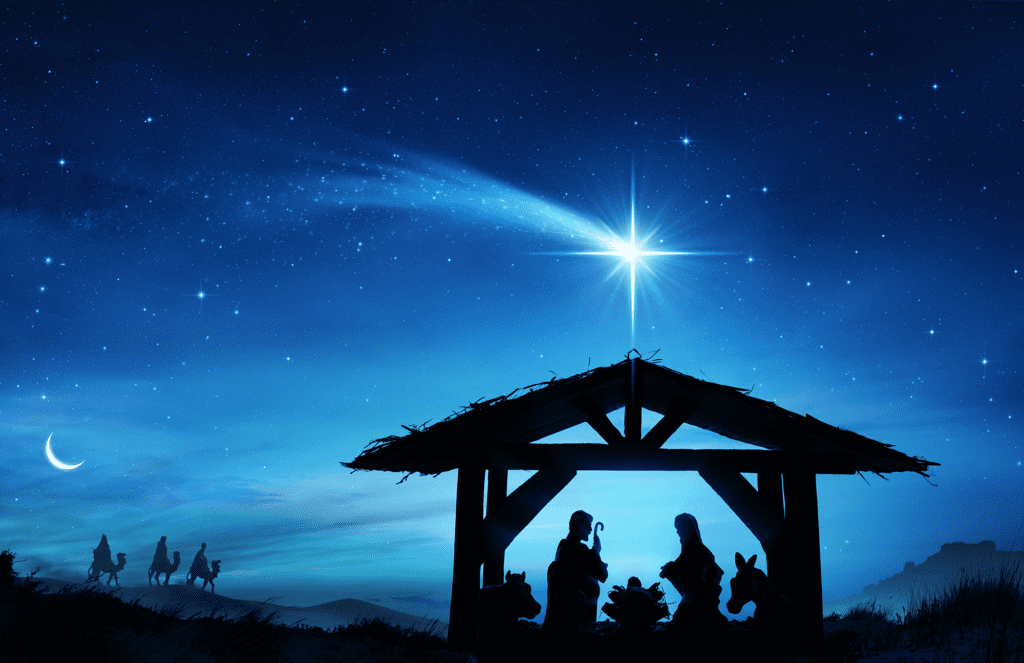
- The Nativity: The story of Jesus’ birth in a humble manger in Bethlehem, visited by shepherds and the Three Wise Men (Magi), serves as a poignant reminder of humility and divine love.
- Midnight Mass: Many denominations hold special church services on Christmas Eve, celebrating the transition into Christmas Day with hymns, candles, and prayer.
Modern Secular Traditions
Over the centuries, Christmas has gathered a collection of beloved secular customs that define the holiday for many families today:
- The Christmas Tree: Popularized in the 19th century by Queen Victoria and Prince Albert, the evergreen tree symbolizes eternal life and is decorated with lights, ornaments, and tinsel.
- Santa Claus: Inspired by the historical Saint Nicholas, a 4th-century Greek bishop known for his secret gift-giving, the modern image of Santa, a jolly man in a red suit, was further solidified by 19th-century American poetry and illustrations.
- Gift-Giving: Reflecting the gifts of gold, frankincense, and myrrh brought by the Magi, the exchange of presents has become a central part of the holiday, emphasizing generosity toward loved ones and the less fortunate.
- Christmas Carols: Songs of joy and worship, many of which originated in the Middle Ages. Sung at church services, door-to-door (caroling), and in festive public spaces.

Though the spirit of the holiday is universal, celebrations vary significantly across different cultures:
- Australia: As, Christmas falls during the height of summer, many Australians celebrate with “Carols by Candlelight” and a beachside barbecue or a seafood lunch.
- Mexico: The season features Las Posadas, a nine-day celebration re-enacting Mary and Joseph’s search for shelter, ending with festive parties and piñatas.
- Ethiopia: Following the Julian calendar, many Orthodox Christians celebrate Christmas (called Ganna) on January 7th, where people dress in white and play traditional games.
- Venezuela: People attend morning mass on roller skates, with roads closed to traffic to allow for this unique journey.
The Essence of the Christmas
Christmas is defined by the “Christmas Spirit”, a period of increased goodwill, charity, and togetherness at its heart. Whether it is through the religious reflection of the Nativity or the secular joy of decorating a tree, the holiday serves as a powerful reminder of the importance of light, peace, and kindness in the human experience.
Graphic Design by: Rtr. Buthma Menali


0 Comments