
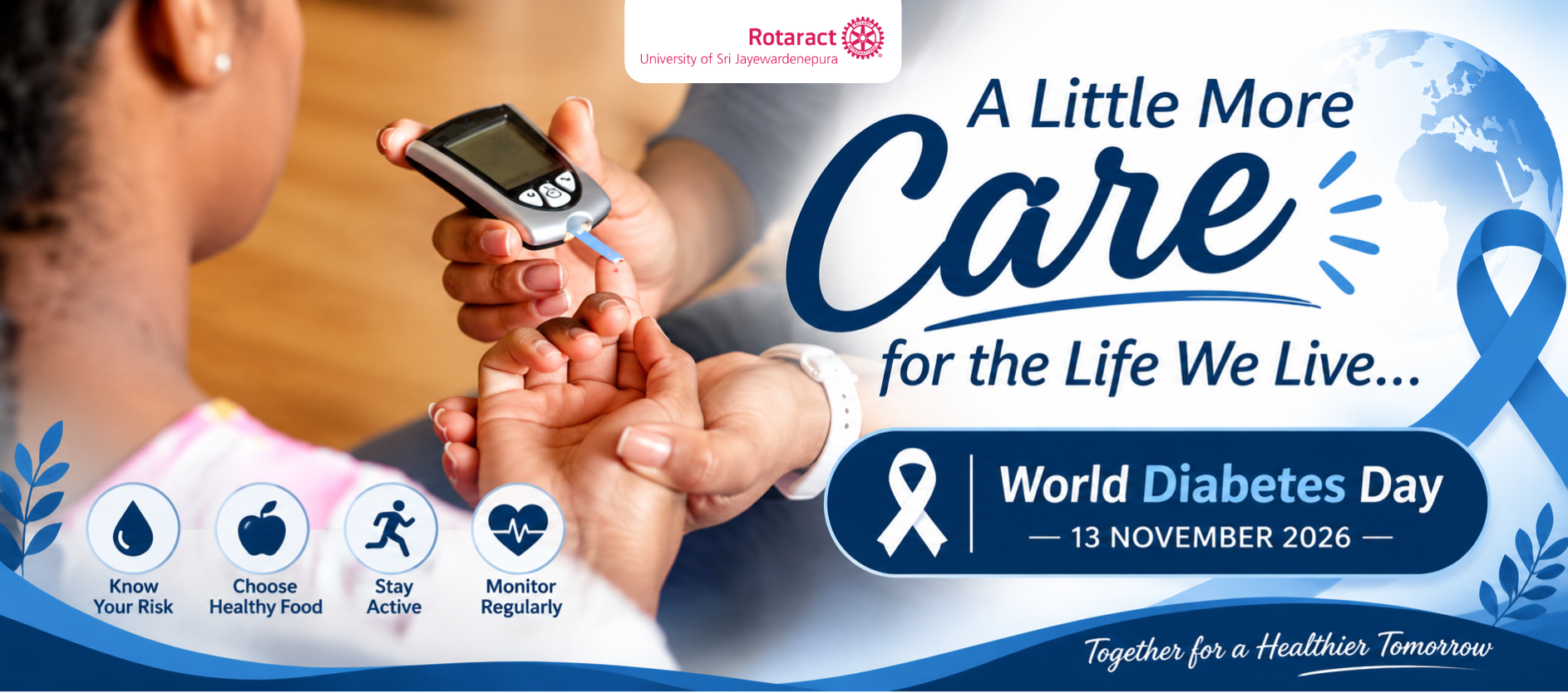
World Diabetes Day – 13 November 2026
Written by: Rtr. Dumini Rasnayaka
We often say that we are too busy to take care of ourselves. There are classes to attend, deadlines to meet, work to finish, and a hundred other things waiting for our attention. We often get so caught up in our daily routines that taking care of our health becomes something we keep putting off. Somehow, our health always seems to find a place at the bottom of our priorities.
Until one day, our bodies remind us that they need attention too.
Health is something we rarely think about when everything feels normal. We go about our daily lives without really thinking about what is happening inside our bodies or how our everyday habits affect our health. Yet, behind all these ordinary moments, there is a delicate balance that keeps us going. And sometimes, conditions like diabetes remind us just how important that balance is.
Diabetes is a condition that affects the way our bodies regulate blood sugar. It develops when the body does not produce enough insulin or cannot use it effectively. Although it is often misunderstood as simply a result of eating too much sugar, diabetes is much more complex than that. It can be influenced by genetics, lifestyle, and several other factors, and it affects people of different ages and backgrounds.

What makes it even more concerning is how common it has become around the world. According to the International Diabetes Federation, approximately 589 million adults aged 20–79 were living with diabetes in 2024. Behind every number is a person, a family, and a life that has to adjust to a condition that may have been present long before it was diagnosed.
Perhaps that is why days like this matter. World Diabetes Day, observed every year on 14 November, is more than just a date dedicated to a health condition. It encourages us to learn more about diabetes and understand why recognising it early and getting the right care can make such a difference. Established in 1991 by the International Diabetes Federation and the World Health Organization, the day later received official recognition from the United Nations in 2006.
Beyond the discussions about diabetes, there is another important thing we often forget to think about: how our everyday lifestyles affect our health.
We live in a time when convenience has quietly become part of almost everything we do. We have also become used to spending more time sitting and relying on convenient options, even for things that could easily involve a little movement. There is nothing wrong with enjoying these comforts. But over time, we have reached a point where we need to remind ourselves to stay active and make movement a part of our daily lives.
And this is where physical activity becomes important.

Our bodies need movement, not just to stay fit but also to function well. Regular physical activity helps the body use insulin more effectively and supports the regulation of blood glucose levels. It can improve heart health, support weight management, and contribute to overall well-being. For people living with diabetes, staying active can be an important part of managing the condition alongside proper medical care.
Staying active does not necessarily require a fixed exercise routine or long hours at the gym. There are many simple ways to include more movement in our daily lives. It can be a morning walk when the world is still quiet, a game of cricket with friends, a bicycle ride through familiar streets, or simply choosing to take the stairs. Sometimes, it is about finding joy in movement rather than treating it as another task we have to complete.
Sports and recreational activities make this even more meaningful. They bring people together, create friendships, and make physical activity something to look forward to. A simple game can encourage someone to move more, while a community activity can inspire people to make healthier choices together. Because staying active should not feel like a punishment; it should feel like being alive.
Not all forms of diabetes can be prevented through lifestyle changes. Type 1 diabetes, for example, is an autoimmune condition, and people living with any type of diabetes deserve understanding and access to proper healthcare rather than judgement. This is why awareness is not only about telling people how to live but also about creating a society where everyone has the knowledge, support, and opportunities needed to look after their health.
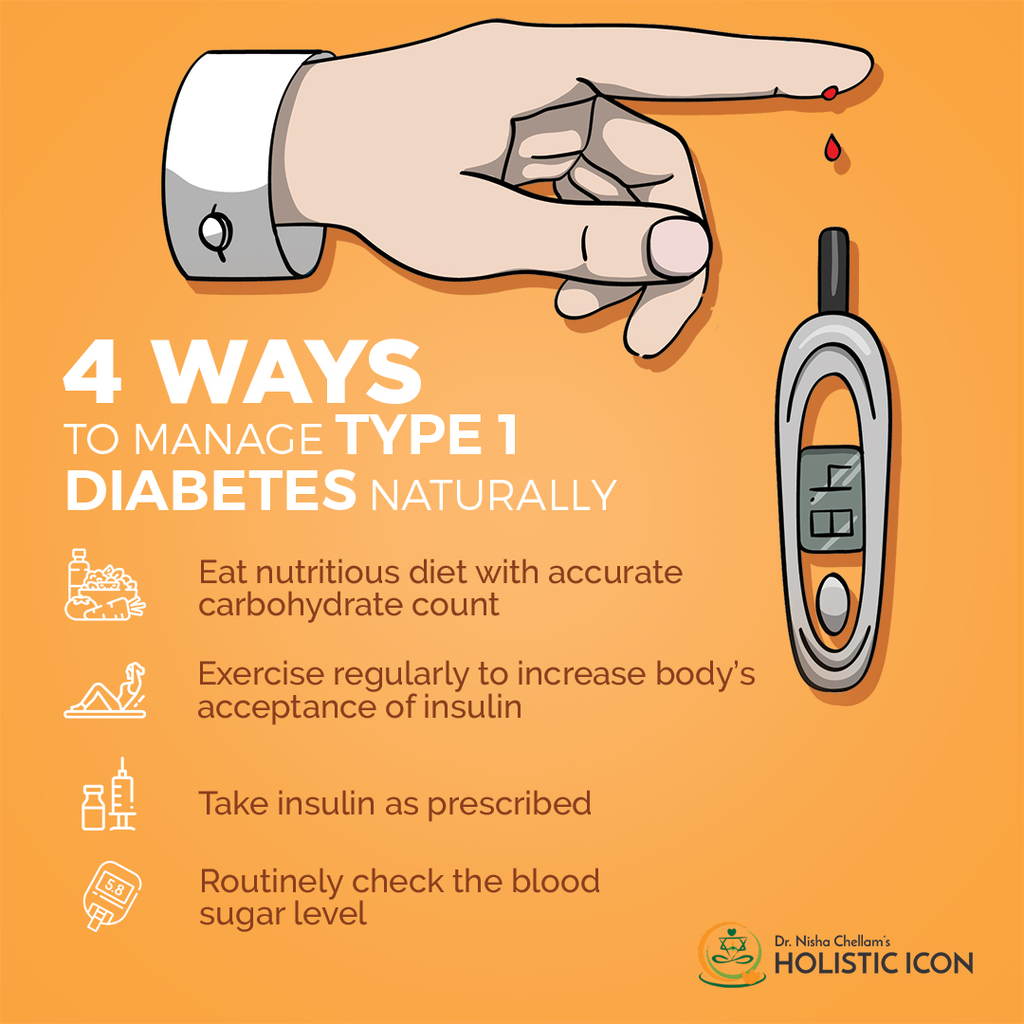
So, what can we really take away from a day like this?
It starts with making a little more time for ourselves. We can begin by being more active and finding time for the activities we enjoy. Even the simplest changes in our daily routines can help us take better care of our health. Most importantly, we need to understand that looking after ourselves should not be something we keep putting off.
We spend so much of our lives preparing for tomorrow that we sometimes forget to take care of the person who has to live it. Our health is not something separate from our everyday lives; it is what allows us to study, work, travel, laugh, play, and experience all the little things that make life meaningful.
This World Diabetes Day, let us look beyond the numbers and the awareness messages. Let us remember the importance of movement, make room for healthier habits, and show more understanding towards those living with diabetes.
Creating a healthier future does not happen overnight. It starts with the simple choices we make and the habits we build into our everyday lives.
Graphic Designed by: Rtr. Nethmi Tharushika


0 Comments