
World Science Day for Peace and Development – 10 November 2026
Written by: Rtr. Tharaka Sandaruwan
Imagine a day without science. There would be no vaccines to prevent diseases, no reliable weather forecasts, no modern communication and far fewer ways to keep our water and food safe. Although we may not notice it every day, science is part of almost everything around us.
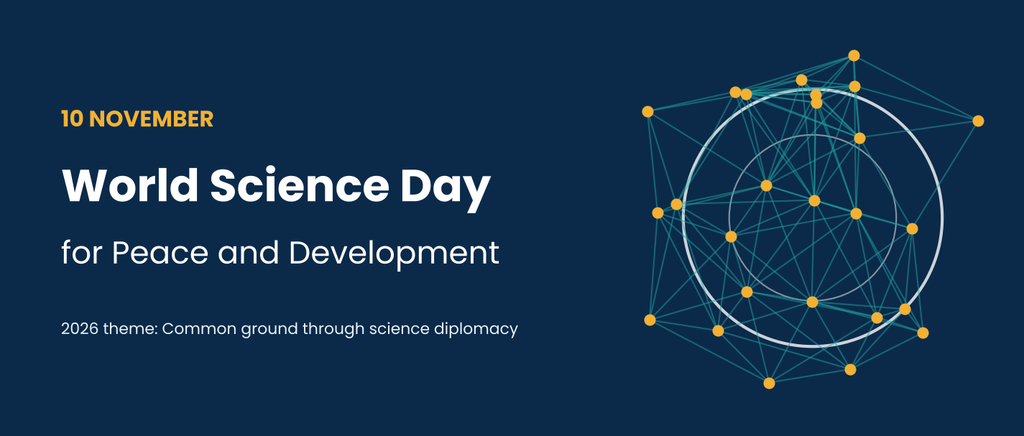
Every year on 10 November, World Science Day for Peace and Development gives us an opportunity to recognise this contribution. The day is not only for scientists or people working in laboratories. It is for all of us: students, professionals, communities and decision-makers. It reminds us that science can improve everyday life, help us understand shared challenges and bring people from different countries together.
How the Day Began
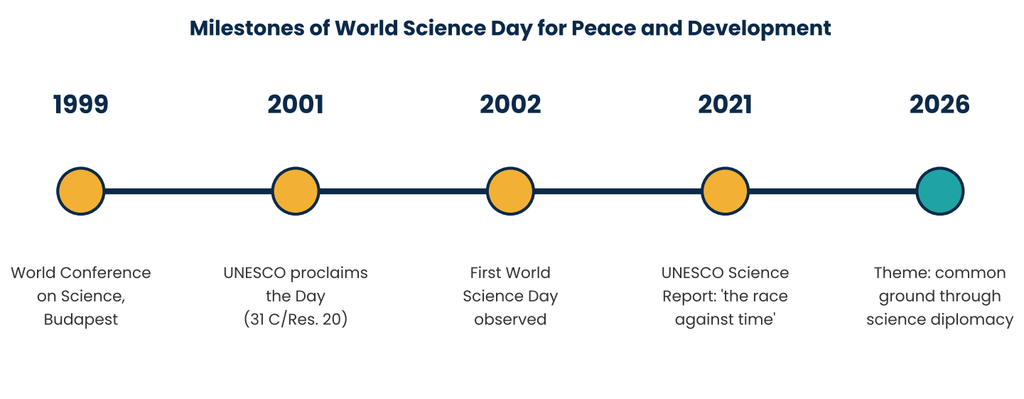
The story of World Science Day for Peace and Development began at the 1999 World Conference on Science in Budapest. In 2001, UNESCO officially proclaimed the day, and the first celebration took place on 10 November 2002. Since then, it has encouraged people to reflect on the role of science in society and the importance of making scientific knowledge accessible to everyone.
The idea behind the celebration is straightforward: people should be able to understand how science affects their lives and have a voice in discussions about scientific developments. The day also highlights the need for countries to work together and for scientists to have the support and freedom they need to carry out research. Around the world, it is marked through public talks, school activities, exhibitions, conferences and community events.
Why Science Matters for Peace Today
The 2026 theme, “Common Ground Through Science Diplomacy,” highlights how scientific cooperation can build connections between countries. Even when governments disagree, researchers can continue sharing knowledge, data, equipment and ideas. These professional relationships create opportunities for dialogue and practical cooperation.
Many of the biggest challenges facing the world do not stop at national borders. Climate change, biodiversity loss, infectious diseases and food insecurity affect people across regions. No single country can solve these problems alone. Research partnerships allow scientists to compare evidence, develop solutions and make discoveries that can benefit communities everywhere.
There are real examples of science helping people work across political and cultural differences. CERN, the European Organization for Nuclear Research, was established in 1954 with scientific cooperation and peaceful collaboration among its founding purposes. Another example is SESAME, an international research centre in Jordan developed under UNESCO’s auspices. Opened in 2017, it brings scientists from across the Middle East together to carry out research. These initiatives show that shared scientific goals can create spaces for cooperation, even in regions where political relationships are complicated.
However, cooperation is only meaningful when everyone has a fair opportunity to participate. Research capacity and funding remain unevenly distributed around the world. Countries with fewer resources may struggle to build laboratories, retain researchers or access advanced technology. Making science more inclusive means supporting education, sharing knowledge responsibly and strengthening research opportunities in developing countries as well.
A Few Facts Worth Knowing
Global research has grown, but important gaps remain. UNESCO’s science reporting provides a useful picture of both progress and inequality:
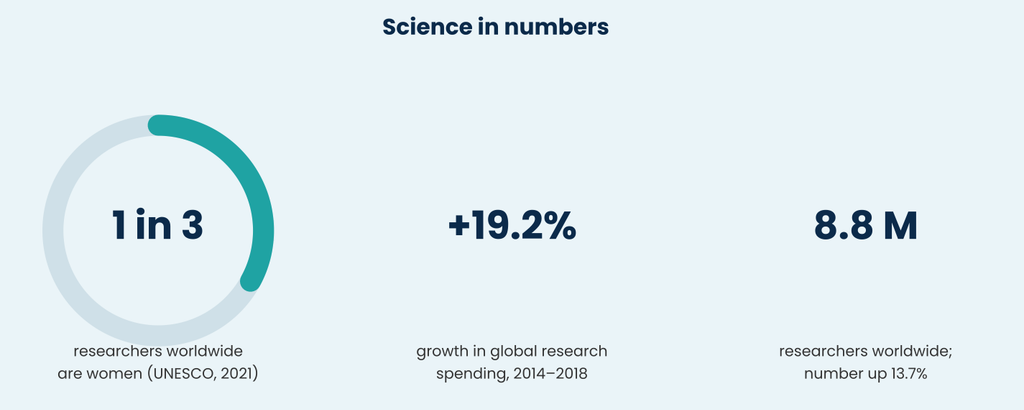
- Research investment: Global research spending increased by 19.2% between 2014 and 2018, but around four in five countries spent less than 1% of their GDP on research and development.
- Researchers worldwide: The number of researchers reached approximately 8.8 million, representing an increase of 13.7% over the same period.
- Gender representation: Women made up roughly one-third of researchers worldwide, showing that more work is needed to make scientific careers equally accessible.
- Emerging fields: Artificial intelligence and robotics are among the rapidly growing areas of scientific research and publishing.
What Science Means for Our Future
You do not need to be a scientist to benefit from scientific thinking. Almost every profession now involves information, technology or evidence. The ability to check whether a source is reliable, understand basic data and ask thoughtful questions can help people make better decisions at work and in everyday life.
For students and young professionals, curiosity and lifelong learning are valuable starting points. New tools and discoveries are changing fields such as health care, agriculture, engineering and communication. Keeping up does not mean learning every new technology. It means being open to new ideas, developing useful skills and understanding how knowledge from different fields can work together.
Science also creates opportunities for innovation. Many useful ideas emerge when different disciplines come together, such as when biology combines with computing or engineering supports medical research. The most meaningful innovations are not simply impressive technologies; they are solutions that respond to real needs, whether that means improving access to health care, developing cleaner energy or helping farmers adapt to changing conditions.
There are lessons here for leadership as well. Successful scientific partnerships depend on trust, honest communication, patience and respect for different perspectives. These qualities matter in workplaces, volunteer organisations and communities just as much as they do in international research. Leaders who listen carefully, share information clearly and bring people together around a common goal can help create positive change.
Most importantly, science needs public trust. People should be able to ask questions, understand how evidence is used and take part in conversations that affect their lives. Scientists and professionals also have a responsibility to explain their work in clear language, acknowledge uncertainty and communicate findings honestly. Trust grows when knowledge is shared rather than kept out of reach.
World Science Day for Peace and Development reminds us that science is strongest when it serves people and brings them together. This 10 November, take a moment to explore a scientific topic beyond your usual interests, attend a public event or talk with someone studying or working in a different field. Small acts of curiosity can lead to greater understanding. And when understanding grows, so does the common ground on which peace and development depend.
Explore Further: UNESCO – World Science Day | UNESCO Science Report | SESAME
Graphic Designed by: Rtr. Nethmi Tharushika


0 Comments