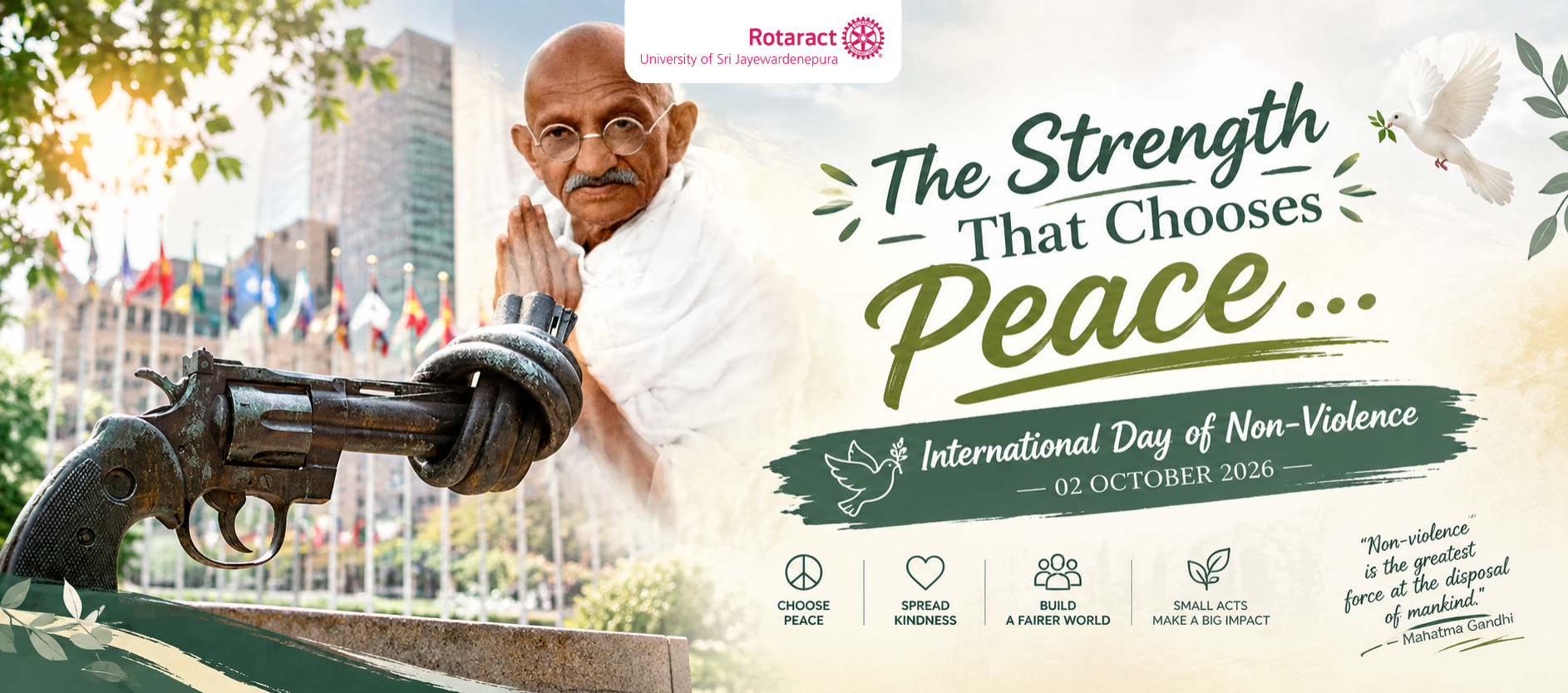
International Day of Non-Violence – 02 October 2026
Written by: Rtr. Sandalika Wickramasinghe
Violence is often associated with strength. With power. With control. With the ability to make others afraid. But what if true strength lies somewhere else?
What if strength is the ability to stand against injustice without becoming unjust ourselves?
To disagree without hatred. To resist without destroying. To choose dialogue when anger feels easier.
Every year on 2 October, the world observes the International Day of Non-Violence, a day that reminds us that peace is not simply the absence of violence, but something that requires courage, understanding, dignity, and action.
The date is significant because it marks the birthday of Mahatma Gandhi, whose philosophy and practice of non-violence influenced movements for independence, civil rights, and social change around the world. In 2007, the United Nations General Assembly established 2 October as the International Day of Non-Violence, calling for the message of non-violence to be shared through education and public awareness.
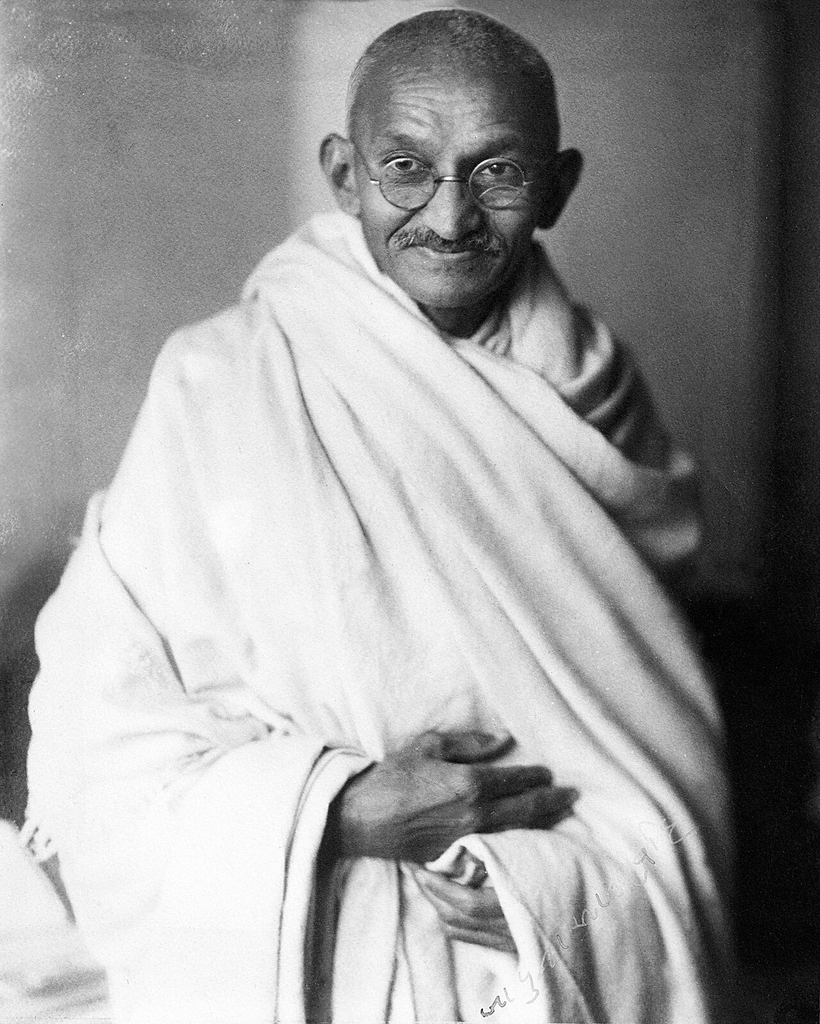
Born on 2 October 1869, Mahatma Gandhi became one of the most recognised advocates of non-violent resistance.
For Gandhi, non-violence was not simply about avoiding physical confrontation. It was connected to truth, dignity, resistance to injustice, and the belief that meaningful change could be pursued without hatred and violence.
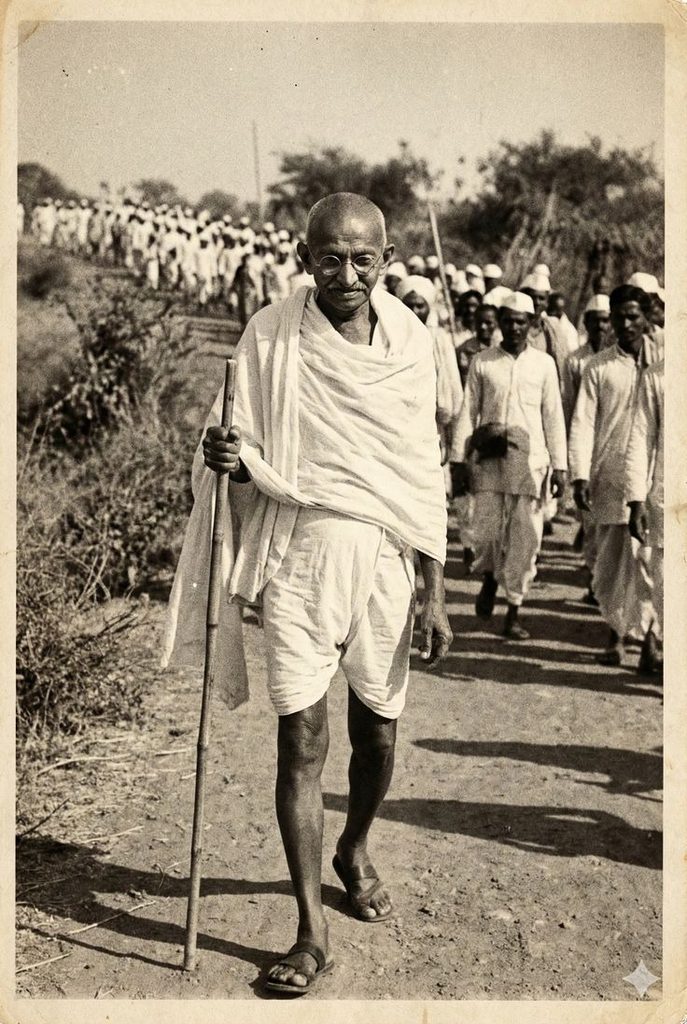
His approach included forms of peaceful protest, non-cooperation, and civil disobedience. One of the most well-known examples was the Salt March of 1930, through which Gandhi and his followers challenged British colonial rule through non-violent action.
His ideas later influenced people and movements far beyond India. The United Nations has recognised the influence of Gandhian principles on movements for civil rights and social change across the world.
In 2007, the UN General Assembly adopted Resolution 61/271, establishing 2 October as the International Day of Non-Violence. The resolution reaffirmed the universal relevance of non-violence and the aspiration to build a culture of peace, tolerance, understanding, and non-violence.
And that is what makes this day larger than the story of one person.
It is about an idea that can belong to everyone.
Non-violence does not mean remaining silent when something is wrong. It does not mean accepting injustice. And it does not mean that people should simply avoid difficult conversations.
The United Nations describes non-violent action as including approaches such as protest and persuasion, non-cooperation, and non-violent intervention.
At its heart, non-violence asks a difficult question:
How can we create change without reproducing the harm we are trying to overcome?
It can mean choosing conversation over confrontation. Listening before responding. Standing up for someone who is being mistreated. Rejecting hate speech. Finding peaceful ways to resolve disagreements. And having the courage to challenge injustice while still recognising the dignity of others.
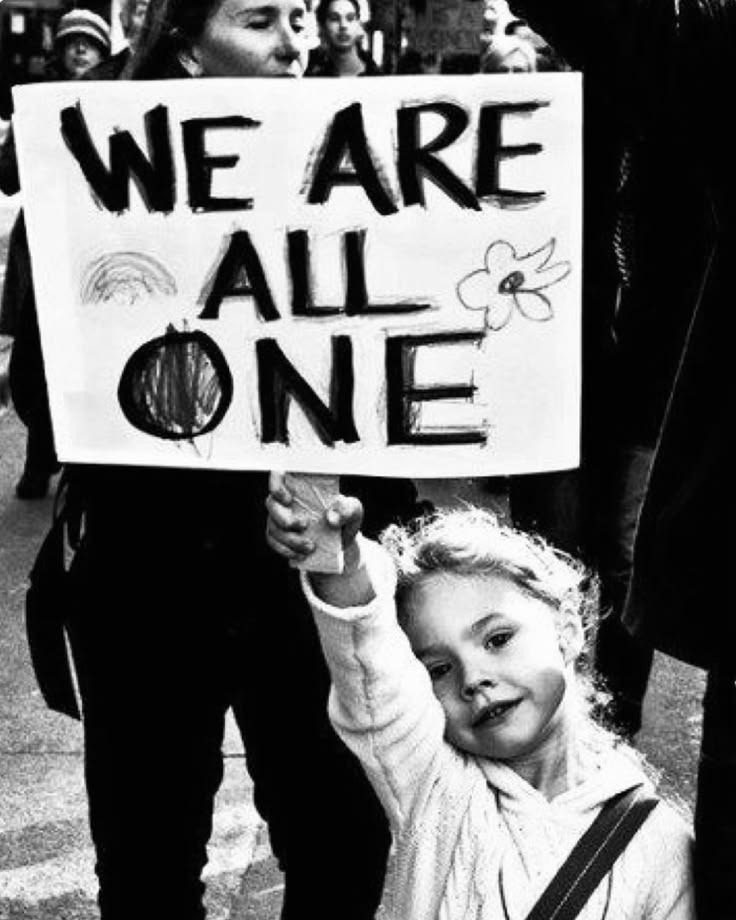
More than a century after Gandhi’s major campaigns, the world continues to face conflicts, social divisions, inequality, discrimination, intolerance, and growing tensions.
The 2026 message from United Nations Secretary-General António Guterres highlights the continuing relevance of non-violence at a time of rising division, tension, and conflict. He emphasised dialogue, diplomacy, empathy, and shared humanity as important pathways towards addressing these challenges.
The message is particularly relevant because violence is not limited to battlefields. It can appear in our homes, in schools and universities, in workplaces, on social media, and in the way people speak to one another. Sometimes it is physical. Sometimes it is verbal. Sometimes it appears as hatred, intimidation, discrimination, or dehumanisation.
This means that building a culture of non-violence cannot be left only to governments or international organisations. It begins with people.
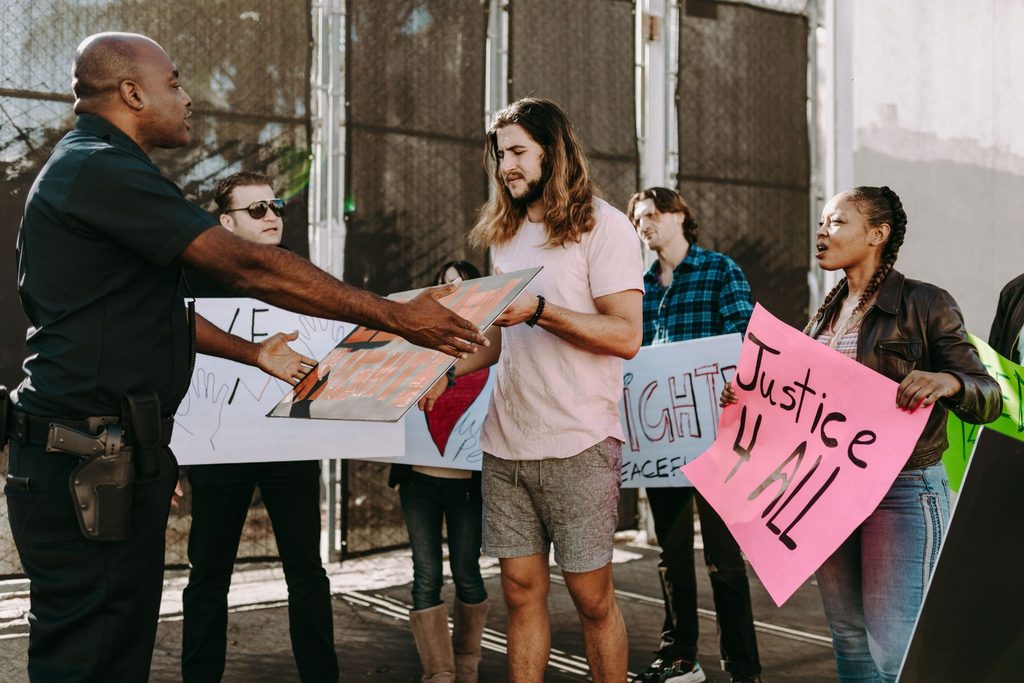
Today, a disagreement can travel around the world within seconds. A comment written in anger can reach thousands of people. A rumour can spread before the truth has a chance to catch up. A disagreement can quickly become an online attack.
This makes the principle of non-violence relevant not only to physical conflicts, but also to how we communicate.
Before sharing something, we can ask, Is it true? Is it necessary? Could it cause unnecessary harm?
Before replying in anger, Can I disagree without insulting?
Before judging someone, Have I actually listened to their side?
Choosing respectful communication may seem like a very small action.
But communities are built from millions of small actions.
One of the most important lessons of non-violence is that it does not belong only to historical movements. It belongs in everyday life. A student standing up against bullying. A friend preventing an argument from becoming a fight. A community resolving a disagreement through dialogue. A volunteer supporting someone who has been excluded. A club creating a space where people from different backgrounds can participate equally. A social media user choosing not to spread hateful content. These may not appear in history books.
But they contribute to the same larger idea: change does not always have to begin with force.
Non-violence can begin with some very ordinary choices.
Choose dialogue
When disagreements arise, create space for people to explain themselves and listen before responding.
Challenge bullying and discrimination
Do not remain a silent observer when someone is being humiliated, threatened, or excluded.
Think before you speak or post
Words can cause real harm. Responsible communication is part of creating safer communities.
Practise empathy
People may have experiences, backgrounds, and struggles that we cannot immediately see.
Learn peaceful conflict resolution
Instead of asking, “How do I win this argument?”, ask, “How can we solve this?”
Organisations, universities, schools, and youth clubs have an important role in creating cultures where peaceful action becomes normal. They can organise peace and dialogue sessions, anti-bullying and anti-discrimination campaigns, awareness programmes on hate speech and online responsibility, peace-themed art, photography or writing competitions, intercultural and interfaith dialogue sessions, community service initiatives, and conflict resolution and leadership workshops, creating spaces where people can learn, communicate, understand one another, and contribute to a more peaceful community.
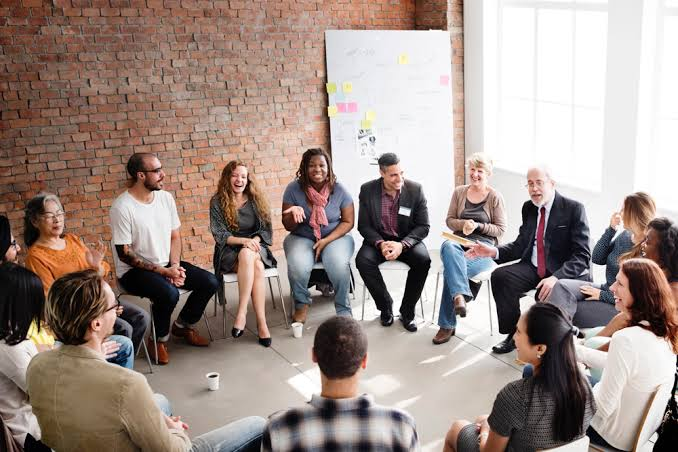
For organisations such as Rotaract Clubs, the day can also become an opportunity to connect the principle of non-violence with community service, fellowship, and youth leadership.
A simple campaign encouraging members to perform acts of kindness, resolve a disagreement peacefully, appreciate differences, or speak up against bullying can turn an international observance into something tangible within the community.
UNESCO’s #KindnessMatters campaign, launched on the International Day of Non-Violence in 2018, has similarly encouraged young people to carry out acts of kindness as a way of contributing to positive social change.
Non-violence is not weakness.
It can require considerable courage to resist injustice without responding with hatred.
Peace does not mean silence.
People can peacefully protest, disagree, and demand change.
Words matter.
Violence can be physical, but harmful language and dehumanisation can also deepen divisions.
Change can begin with one person.
Gandhi’s movements demonstrate how individual actions can inspire collective participation.
Non-violence is relevant everywhere.
It applies not only to international conflicts, but also to families, classrooms, workplaces, communities, and online spaces.
On 2 October 2026, we remember Mahatma Gandhi and the philosophy that made his name synonymous with non-violence.
But perhaps the most meaningful way to observe this day is not simply to remember a historical figure. It is to ask ourselves what non-violence looks like in our own lives.
It might be choosing to listen when we would rather shout. It might be standing up for someone who cannot stand up for themselves. It might be refusing to turn disagreement into hatred. It might be choosing kindness when cruelty would be easier. And it might simply be recognising that the person on the other side of an argument is still a human being deserving of dignity.
The world does not become peaceful in a single day. But every peaceful conversation, every act of empathy, every rejection of hatred, and every effort to resolve conflict without violence takes us one step closer.
Because sometimes, the greatest strength is not the power to fight.
It is the courage to choose peace.
This International Day of Non-Violence, let us choose to be the change that does not hurt others to create change.
Graphic Designed by: Rtr. Nethmi Tharushika


0 Comments