
International Coffee Day – 01 October 2026
Written by: Rtr. Manuri Dissanayake
For many people, the day begins with the aroma of a freshly brewed cup of coffee. Coffee is more than just a popular beverage. It is connected with farmers, communities, businesses, cultures, and millions of everyday social interactions around the world. Every year on 1 October, International Coffee Day celebrates coffee and recognises the people and communities behind every cup we enjoy.
How Did International Coffee Day Begin?
Although different countries had their own coffee celebrations, the Member States of the International Coffee Organization (ICO) agreed in March 2014 to establish 1 October as International Coffee Day as a common international celebration. The first official International Coffee Day was held on 1 October 2015.

The day was created not only to celebrate coffee but also to increase awareness of the people involved in the coffee sector and the importance of coffee to communities and livelihoods around the world.
The People Behind Every Cup
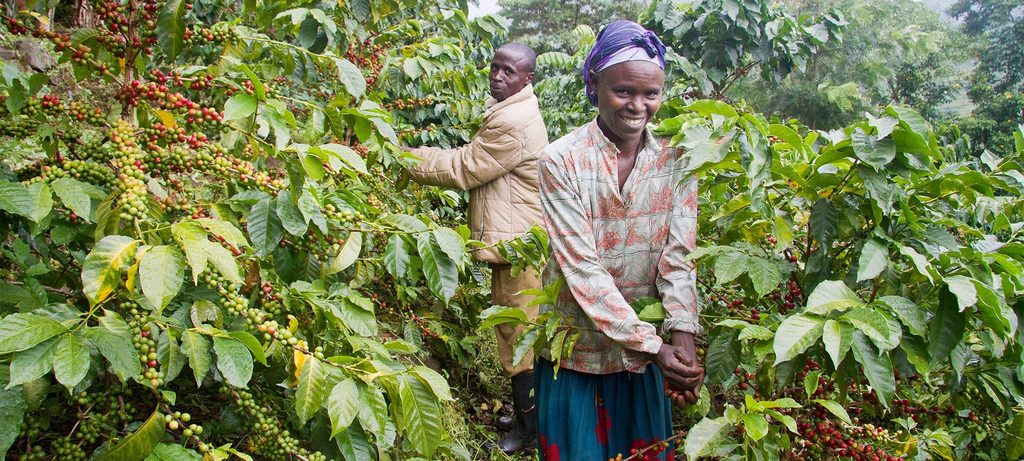
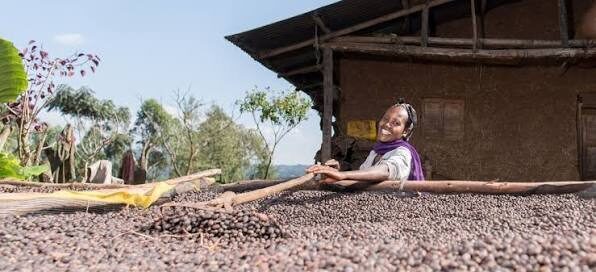
A cup of coffee represents a long journey. It begins with farmers who grow and harvest coffee plants and continues through processing, transportation, roasting, retail, and finally preparation by coffee shops and consumers.
Coffee is produced in more than 60 countries and provides income for around 12.5 million farming families worldwide, according to the ICO’s 2026 information. This makes coffee an important part of many local economies. In coffee growing communities, coffee production provides employment and income and supports families and businesses. Therefore, enjoying a cup of coffee can also remind us of the people whose hard work makes that experience possible.
Did You Know?
Coffee is produced in more than 60 countries and supports around 12.5 million farming families worldwide. The first official International Coffee Day was celebrated in 2015. Before reaching our cups, coffee passes through many stages, including farming, harvesting, processing, transportation, roasting, and preparation. Beyond being an agricultural product, coffee also has important social, cultural, and economic value in communities around the world.
Why Is Coffee Important Today?
International Coffee Day is especially relevant today because the coffee sector faces challenges such as climate change, changing market conditions, environmental pressures, and the need for sustainable livelihoods.
The ICO’s 2026 campaign, “Coffee is Part of the Solution,” highlights the importance of cooperation among producers, governments, businesses, financial institutions, and civil society to build a more sustainable coffee sector.
Coffee production is also connected with wider social and economic development. In March 2026, the United Nations General Assembly adopted Resolution 80/248, officially designating 1 October as International Coffee Day and recognising coffee’s economic importance, its contribution to livelihoods, and the importance of sustainable production and consumption.
More Than a Celebration
International Coffee Day gives individuals and communities an opportunity to look beyond the cup. We can celebrate by learning about coffee producing communities, appreciating farmers and workers, supporting responsible businesses, and reducing waste.
Clubs such as Rotaract can also use this day to create awareness through social media campaigns, informative articles, discussions, coffee themed activities, or community projects. Such activities can turn a simple celebration into an opportunity to connect people and share knowledge.
For individuals, even a small action such as learning where our coffee comes from or appreciating the people behind its production can create greater awareness.
From the Coffee Farm to Our Hands
The next time we enjoy a cup of coffee, let us take a moment to think about its journey. From the coffee farm to processing centres, transport, roasting, shops, and finally our hands, every cup represents the work of many people.
This International Coffee Day, let us celebrate not only the coffee we love, but also the farmers, workers, families, and communities behind every sip…
Graphic Designed by: Rtr. Nethmi Tharushika


0 Comments