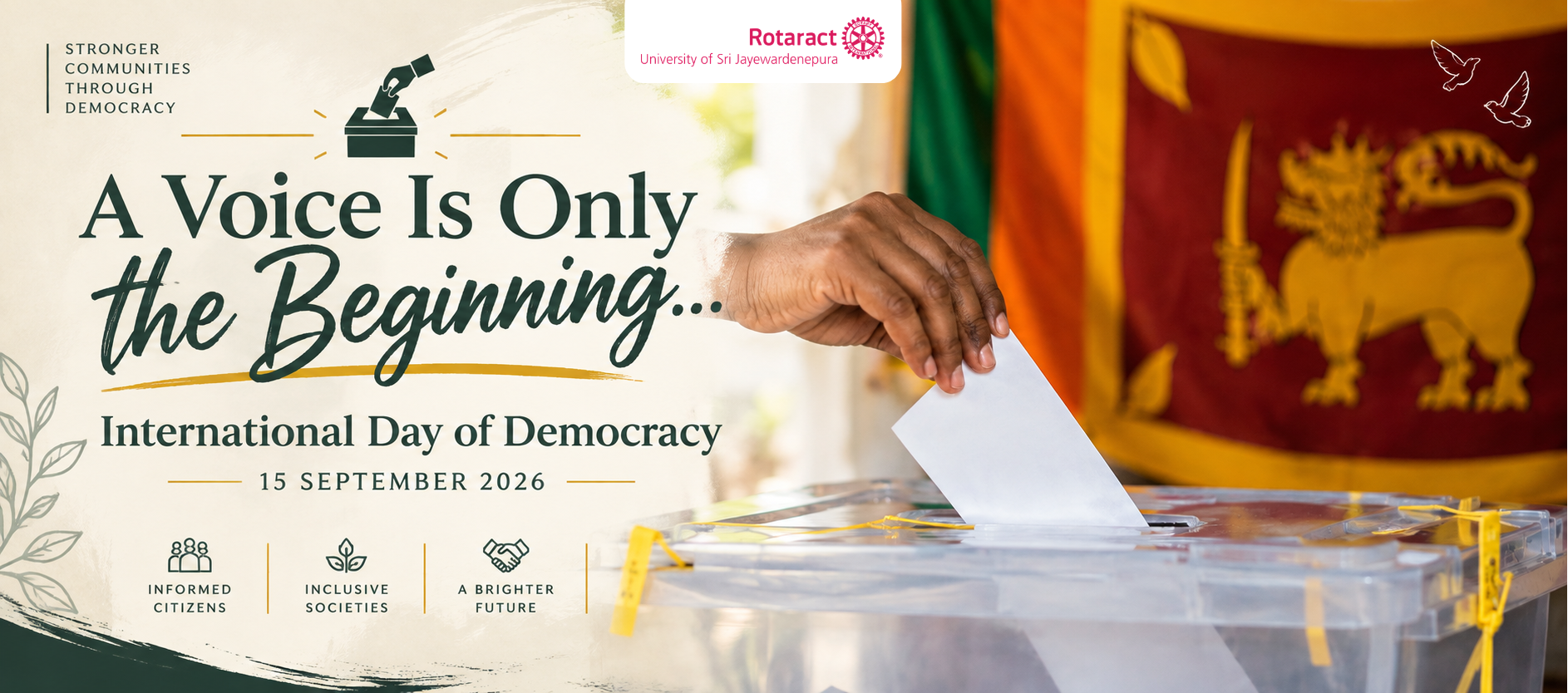
International Day of Democracy – 15 September 2026
Written by: Rtr. Hasini Wijekoon
There are moments when we notice that something is not quite right. A rule that no longer makes sense. A tradition followed simply because it has always been followed. An opinion that is accepted because it has been repeated for years. Sometimes, we see these things and quietly think, someone should say something.
But who is that someone?
Perhaps, sometimes, it is us.
We often think of democracy as something distant from our everyday lives. We picture elections, parliaments, politicians, and ballot boxes. But democracy begins much closer to home. It begins in the simple moment when someone feels that they have something worth saying and chooses not to remain silent.
Because a voice, no matter how small it may seem, can be the beginning of change.
Democracy is not simply about choosing who represents us. It is about people having the freedom and opportunity to participate in the decisions that shape their lives. It is about being able to express an opinion, listen to another, question what seems unfair, and contribute to building something better.
Perhaps that is why the International Day of Democracy, observed every year on 15 September, matters beyond a single day. It gives us a moment to pause and ask ourselves what democracy really means when it becomes part of our everyday lives.
For 2026, the United Nations has placed that question under the theme “Raising Hands and Voices – Fostering Agency and Ownership through Deliberative Democracy.” The focus is on creating meaningful opportunities for people to influence decisions that affect them through participation, dialogue, inclusion, and understanding different points of view.
And perhaps the words “raising hands and voices” deserve more thought than we usually give them.
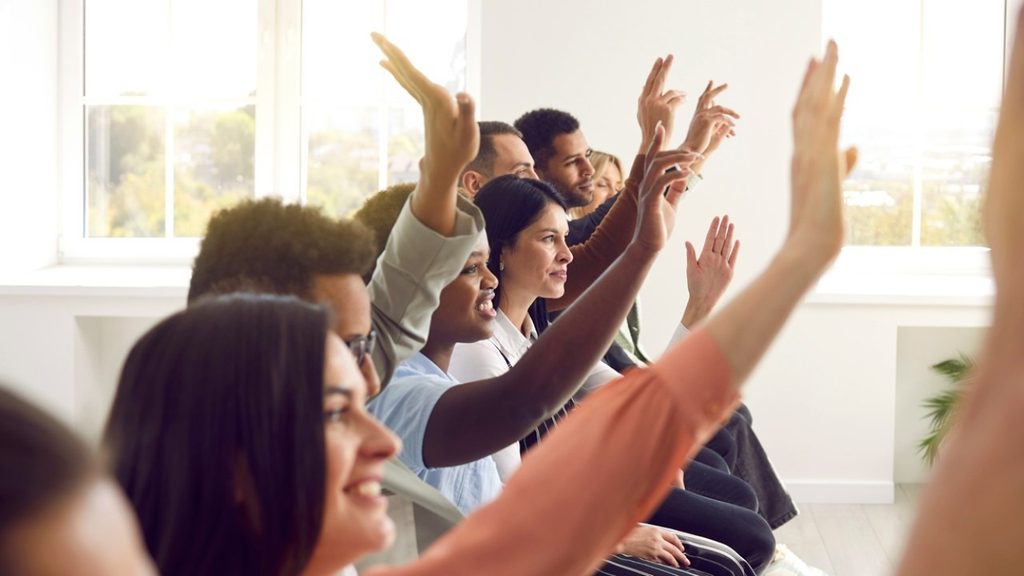
Raising a hand can mean saying, I have something to contribute.
Raising a voice can mean saying, I care about what happens here.
But democracy asks for something beyond simply speaking.
It asks us to listen.
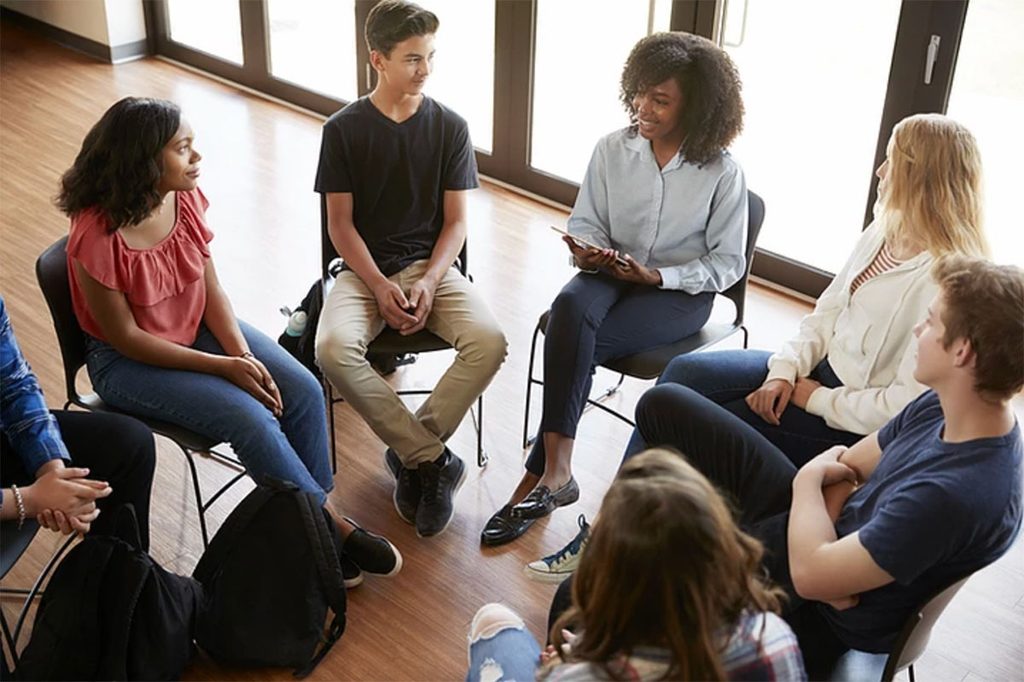
Because a society where everyone speaks but nobody listens is not truly moving forward. Different people carry different experiences, different struggles, and different ideas. Deliberative democracy recognizes that meaningful decisions can emerge when those different voices are brought together, discussed, and genuinely considered. The UN’s 2026 focus specifically highlights how dialogue, participation, and inclusion can strengthen trust and contribute to more responsive, accountable, and effective governance.
And this is where democracy becomes something much more personal.
We sometimes wait for someone older, more experienced, or more powerful to create change. We tell ourselves that young people will have their turn someday. That when we become leaders, professionals, or decision makers, we will finally have the ability to make a difference.
But perhaps “someday” is too late.
Young people are already students, volunteers, employees, creators, community members, team leaders, and citizens. We already see the problems around us. We already have opinions about the world we live in. We already have the ability to question, participate, and influence the spaces we belong to.
So perhaps being young is not a reason to wait.
Perhaps it is a reason to speak.
To question a tradition that no longer serves its purpose.
To challenge an idea that leaves someone behind.
To suggest a better way of doing something.
To speak up when something is unfair.
And, just as importantly, to listen when someone else sees the world differently.
Because raising your voice does not mean believing that your voice is the only one that matters.
It means believing that your voice matters enough to be part of the conversation.
That is where leadership comes into the picture.
A good leader does not simply stand at the front and tell everyone what to do. A good leader creates space for others to speak. They listen to ideas they may not agree with. They understand that disagreement does not always have to create division. Sometimes, it can help us see something we had missed.
In that sense, democracy and leadership share something deeply important: both require us to understand that we do not have to think alike to move forward together.
This is especially meaningful for young people involved in volunteering and community service.
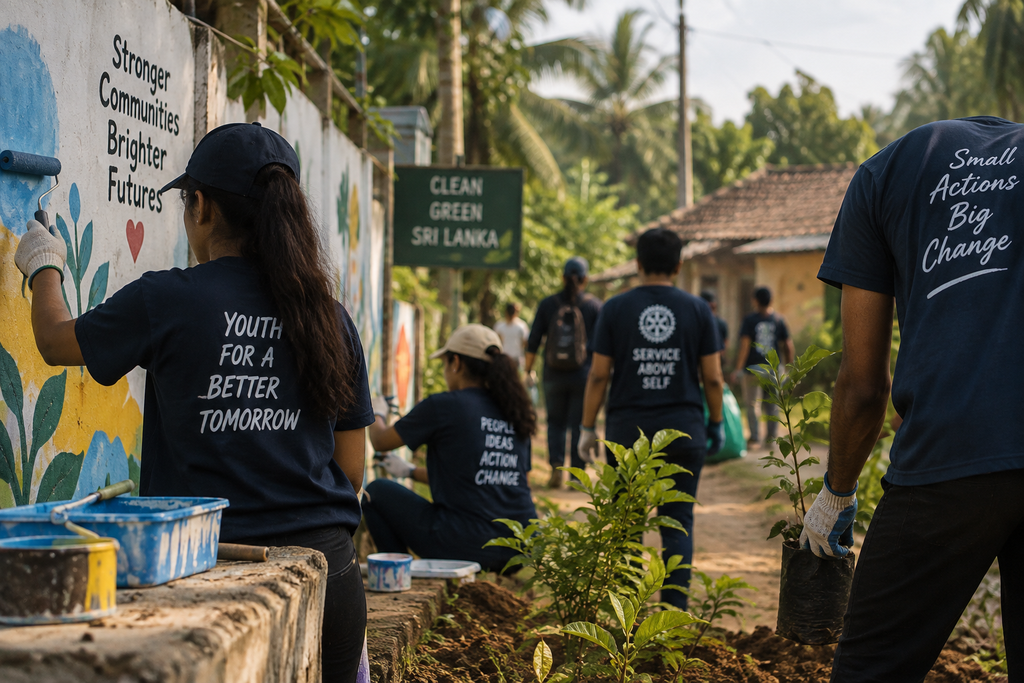
When we work together on a project, we bring different personalities, experiences, and ideas into the same room. The strongest solutions rarely come from one person speaking the loudest. They come from people listening, discussing, questioning, and building upon one another’s ideas.
That is democracy in a smaller form.
And perhaps this is where our responsibility begins.
We do not need to wait until we hold an important position to practise democracy. We can practise it in our classrooms, our clubs, our workplaces, our communities, and even in the conversations we have with the people around us.
We can choose to listen before judging.
We can make space for the quieter voice in the room.
We can question without disrespecting.
We can disagree without dividing.
We can speak when something needs to be said.
And when we do speak, we can also be willing to take responsibility for what follows.
Because agency is not simply having a voice. It is recognizing that our actions can influence what happens next.
And ownership is not simply being part of a decision. It is being willing to care about its consequences.
Perhaps that is what democracy asks of us.
Not to have all the answers.
Not to agree on everything.
Not to wait for someone else to fix what we already know is broken.
But to participate.
To listen.
To question.
To speak.
And to take responsibility for the part we play.
The world we inherit will not be shaped only by the people sitting in positions of power. It will also be shaped by ordinary people who decide that their voices are worth using.
So, when we see something that needs to change, perhaps the question should not always be,
“Who will fix this?”
Perhaps it should be,
“What can I do about it?”
Because democracy does not become stronger simply because we are given a voice.
It becomes stronger when we choose to use it responsibly.
And perhaps, that is where change begins.
Not with the loudest voice in the room, but with the courage to raise your own.
After all, democracy is not something we simply inherit. It is something we participate in, shape, and protect – one voice, one conversation, and one choice at a time.
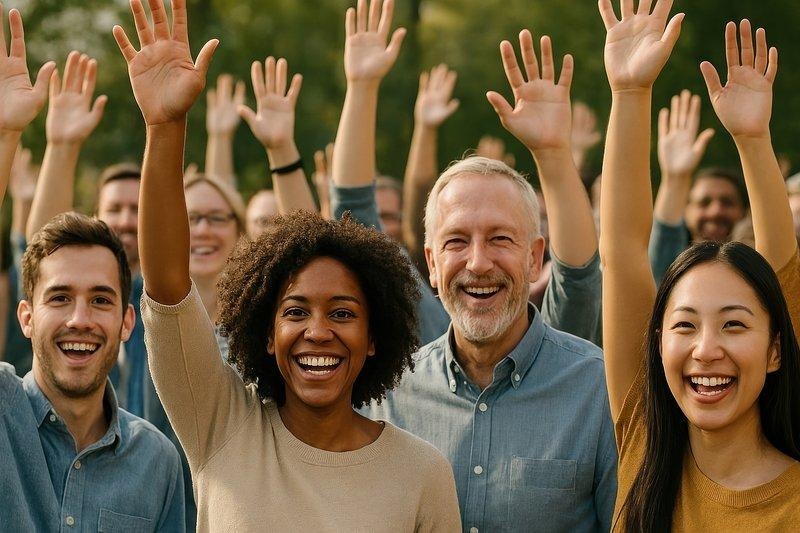
Graphic Designed by: Rtr. Nethmi Tharushika


0 Comments