
World Gratitude Day – 21 September 2026
Written by: Rtr. Sandalika Wickramasinghe
In the rush of everyday life, we often remember what we need, what we want, what went wrong, and what still needs to be done. Yet, somewhere between our responsibilities, ambitions, and struggles, we can forget to pause and acknowledge what has already made our journey possible.
A teacher who believed in us.
A friend who stayed when things became difficult.
A parent who quietly made sacrifices.
A stranger whose small act of kindness changed our day.
Or even the simple opportunity to wake up and begin again.
World Gratitude Day, observed every year on 21 September, invites us to pause and say something that can sometimes be overlooked: “Thank you.”

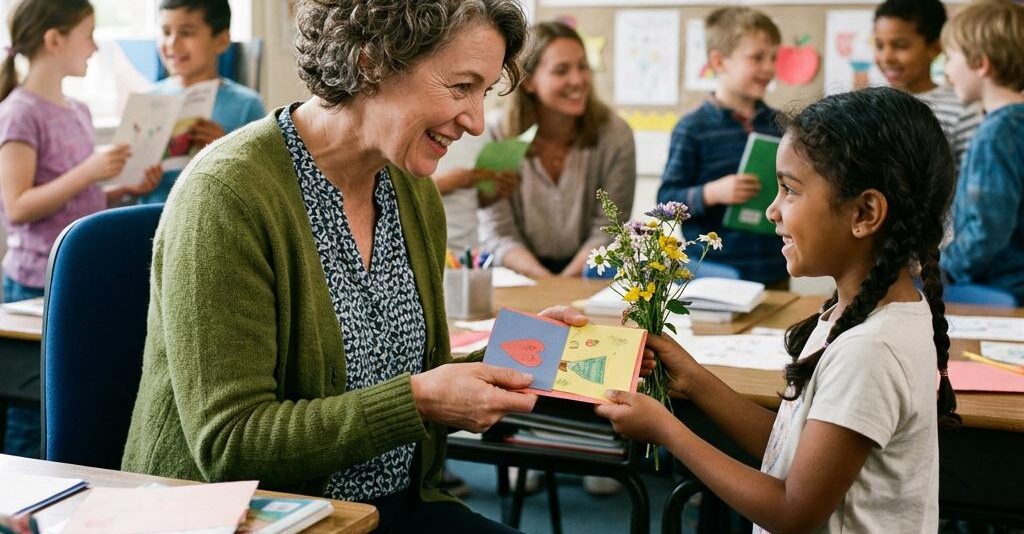
But gratitude is more than a polite response. It is a way of recognising the people, opportunities, experiences, and moments that add meaning to our lives.
Where Did World Gratitude Day Begin?
The origins of World Gratitude Day can be traced back to 1965, when the idea of a global day dedicated to gratitude emerged during a Thanksgiving gathering at the International East-West Center in Hawaii. The idea was to create a day that could cross national, cultural, and religious boundaries and give people around the world an opportunity to express appreciation.
21 September was chosen as the date, and people who supported the idea pledged to organise gratitude gatherings in their respective countries. The observance subsequently spread beyond its original setting, with World Gratitude Day being recognised and celebrated in different communities around the world.
The idea also gained visibility through activities connected with the United Nations Meditation Group. A 1983 record of the U.S. Congressional Record noted that World Gratitude Day had been observed since 1965 and described its purpose as promoting goodwill and understanding among the peoples of the world.
What began as an idea for a shared moment of appreciation therefore grew into a broader reminder that gratitude can be a common language, even when people come from different backgrounds.
Why Does Gratitude Matter?
It is easy to think of gratitude as simply saying “thank you.” But genuine gratitude goes deeper.
It is about noticing.
We notice the person who helped us.
We notice the opportunity we were given.
We notice the small moments that make a difficult day better.
We notice that, even when everything is not perfect, there are still things worth appreciating.
Research has increasingly explored the relationship between gratitude and well-being. A meta-analysis covering 404 effect sizes from 158 independent samples, involving more than 100,000 participants, found a meaningful relationship between dispositional gratitude and different aspects of well-being.
Research has also found a connection between gratitude and prosocial behaviour, actions intended to benefit others. A meta-analysis covering 91 studies and more than 18,000 participants found a moderate positive association between gratitude and prosociality.
In other words, gratitude does not have to end with the person who receives it.
One “thank you” can become another act of kindness.

Someone helps us.
We appreciate it.
We become more willing to help someone else.
And that is where gratitude moves beyond being a personal feeling and becomes something that can influence relationships and communities.
Gratitude in a World That Moves Too Fast
The relevance of World Gratitude Day may be particularly meaningful today.
Our lives are increasingly connected through technology, social media, education, work, and global communities. We can communicate with someone thousands of kilometres away within seconds. Yet, being connected does not always mean feeling connected.
At the same time, people and communities around the world continue to face uncertainty, social pressures, conflict, economic difficulties, environmental challenges, and personal struggles.
In such a world, gratitude does not mean ignoring problems or pretending that everything is perfect.
Instead, it encourages us to recognise what is still valuable amid the challenges.
Recent international research involving 10,696 participants across 34 culturally diverse countries examined several brief gratitude practices. The researchers found small improvements in mood, outlook on life, and prosocial feelings, while also finding that the effects varied across practices and countries.
This is an important reminder: gratitude is not a magical solution to every difficulty. But deliberately taking time to appreciate people and positive experiences can be a meaningful practice, both individually and socially.
From “Thank You” to “We Appreciate You”
One of the most beautiful things about gratitude is that it does not require grand gestures.
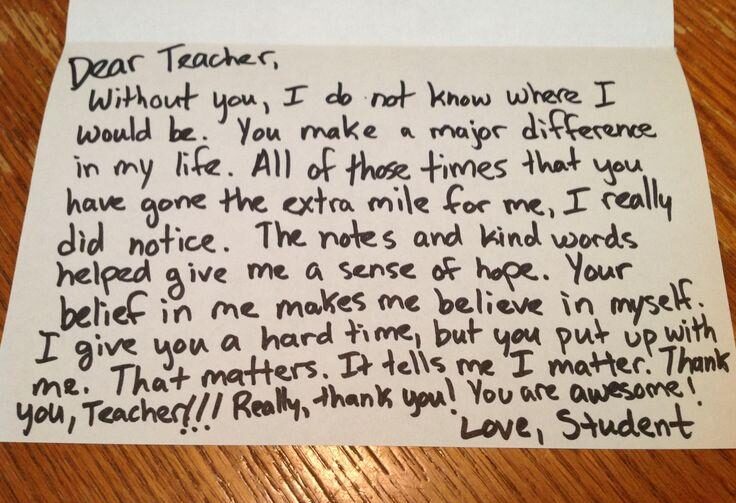
A handwritten note.
A message to a lecturer who inspired you.
A phone call to a family member.
A genuine compliment to a friend.
Thanking someone who worked behind the scenes at an event.
Recognising a volunteer who gave their time without expecting anything in return.
Sometimes, the people who contribute the most are the ones who receive the least recognition. World Gratitude Day gives us an opportunity to change that.
What Can Clubs and Communities Do?
For organisations such as Rotaract Clubs, university societies, schools, and community groups, World Gratitude Day can become more than a social media post.
It can become an opportunity to recognise the people who make the organisation what it is.
A club could create a “Wall of Gratitude”, where members write short messages appreciating one another. A society could recognise its behind-the-scenes volunteers, the people handling logistics, registrations, designs, finances, photography, transportation, or countless small tasks that often go unnoticed.
A university community could organise a “Thank You” campaign, encouraging students to appreciate lecturers, non-academic staff, security personnel, cleaners, cafeteria workers, or fellow students.
A community project could turn gratitude into action by combining appreciation with volunteering, donations, environmental activities, or support for a local cause. After all, gratitude becomes even more meaningful when it inspires us to give something back.
A Simple Challenge for 21 September

This World Gratitude Day, try something simple.
Think of three people who have positively influenced your life.
Think of two opportunities you are grateful to have received.
Think of one ordinary thing you usually take for granted.
Then tell at least one person why you appreciate them.
Not just “Thank you,” but:
“Thank you for being there when I needed someone.”
“Thank you for believing in me.”
“Thank you for the opportunity you gave me.”
“Thank you for the little things you do that people don’t always notice.”
Because sometimes, people don’t realise the difference they have made until somebody tells them.
A Day That Reminds Us to Notice
World Gratitude Day does not ask us to have perfect lives. It simply asks us to pause.
To look around.
To remember.
To appreciate.
And perhaps most importantly, to express that appreciation while we still have the opportunity to do so.
The people who support us may never know how much their kindness mattered unless we tell them. The opportunities we receive may seem ordinary until we realise how many circumstances had to come together for us to have them. And the smallest moments of kindness may become memories we carry for years.
So, on 21 September 2026, let us take a moment away from the noise of everyday life.
Let us thank the people who helped us become who we are.
Let us appreciate the communities that hold us together.

And let us remember that gratitude is not only about looking back at what we have received; it can also inspire what we choose to give.
Because sometimes, changing the world does not begin with a grand gesture.
Sometimes, it begins with two simple words:
Thank you.
Graphic Design by: Rtr. Nethmi Tharushika


0 Comments