Standing Up for Humanity and Those on the Frontlines on August 19th
Written by: Rtr. K. D. D Hansika
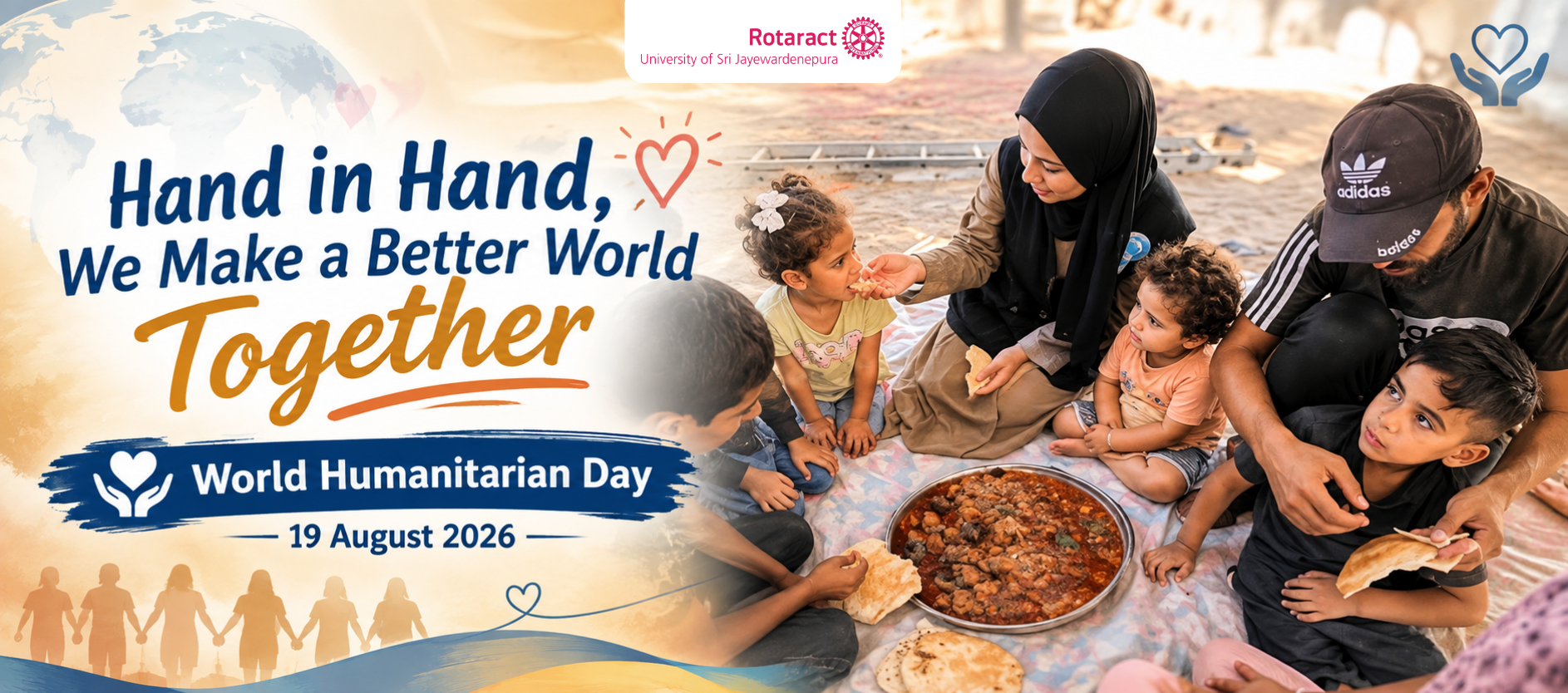
Imagine a war, a disaster, or a crisis unfolding around you, with someone choosing to move towards danger rather than away from it. Someone carries food where there is hunger, medicine where there is illness, shelter where homes have disappeared, and hope where people feel there is none. These are the people we call humanitarians. Every year on 19 August, the world observes World Humanitarian Day for a day to recognize the courage, sacrifice, and compassion of people who dedicate themselves to helping others during humanity’s most difficult moments.
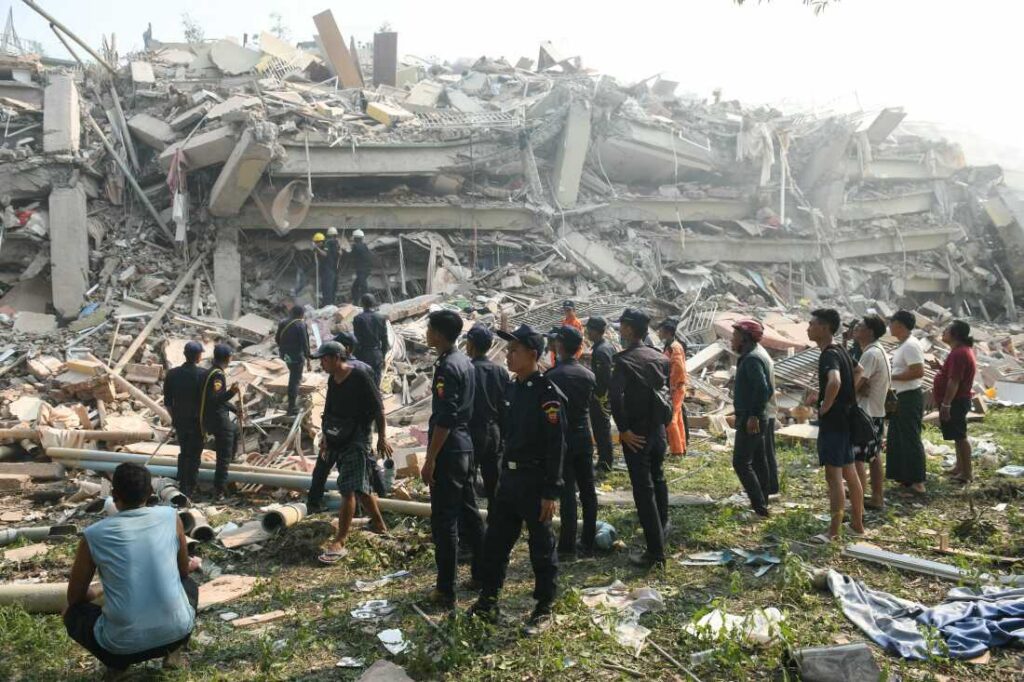
World Humanitarian Day has a powerful history. On 19 August 2003, a devastating bomb attack on the Canal Hotel in Baghdad, Iraq, killed 22 United Nations staff members, including Sergio Vieira de Mello, the UN Special Representative of the Secretary-General for Iraq. Their lives were lost while serving people affected by conflict and crisis. Five years later, in 2008, the United Nations General Assembly formally established World Humanitarian Day. Since then, 19 August has become more than a day of remembrance. It is a reminder that helping others can come with enormous personal risk and that those who provide humanitarian assistance deserve protection, respect, and dignity.
Today, humanitarian crises are no longer distant stories that we hear about on the evening news. Wars and armed conflicts displace families. Extreme weather events destroy homes and livelihoods. Economic instability pushes vulnerable communities deeper into poverty. Natural disasters can transform ordinary lives within minutes. Behind every crisis, there is a human story: a child waiting for food, a family searching for shelter, an elderly person struggling to escape danger, or a community trying to rebuild after losing everything. And standing beside them are humanitarian workers. They deliver food, provide medical care, protect children, distribute emergency supplies, and help communities begin again.
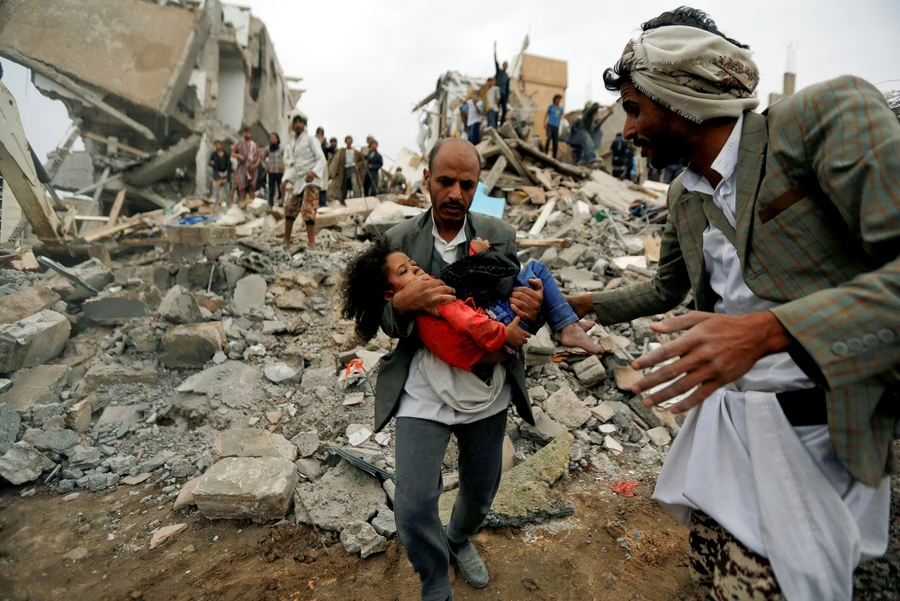
Humanitarian action is guided by four fundamental principles, namely Humanity, Neutrality, Impartiality, and Independence.
- Humanity – protecting life and reducing suffering.
- Neutrality – not taking sides in conflicts.
- Impartiality – providing assistance based on need, without discrimination.
- Independence – maintaining autonomy from political, economic, or military interests.
These principles create a foundation of trust between those who provide assistance and those who desperately need it.
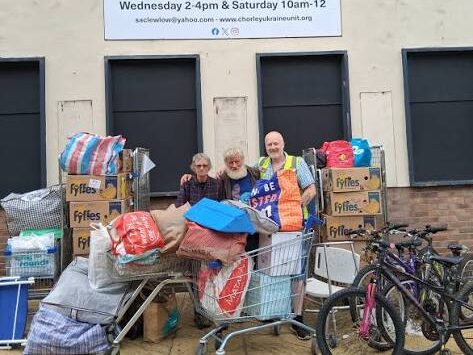
When we hear the word humanitarian, we may imagine international organizations or people working in distant conflict zones. But humanitarianism often begins much closer to home. It can be the neighbor who helps a family after a flood. It can be the volunteer who distributes meals after a disaster. It can be a doctor working through an emergency. It can be a student volunteering for a community project. In many emergencies, local people are the first to respond and the last to leave. They understand their communities, know who needs help, and often continue working when outside assistance has not yet arrived. Their contribution reminds us that humanitarian action does not always require extraordinary resources; sometimes, it begins with simply being there when someone needs help. They may never appear in headlines, but they are heroes nonetheless.
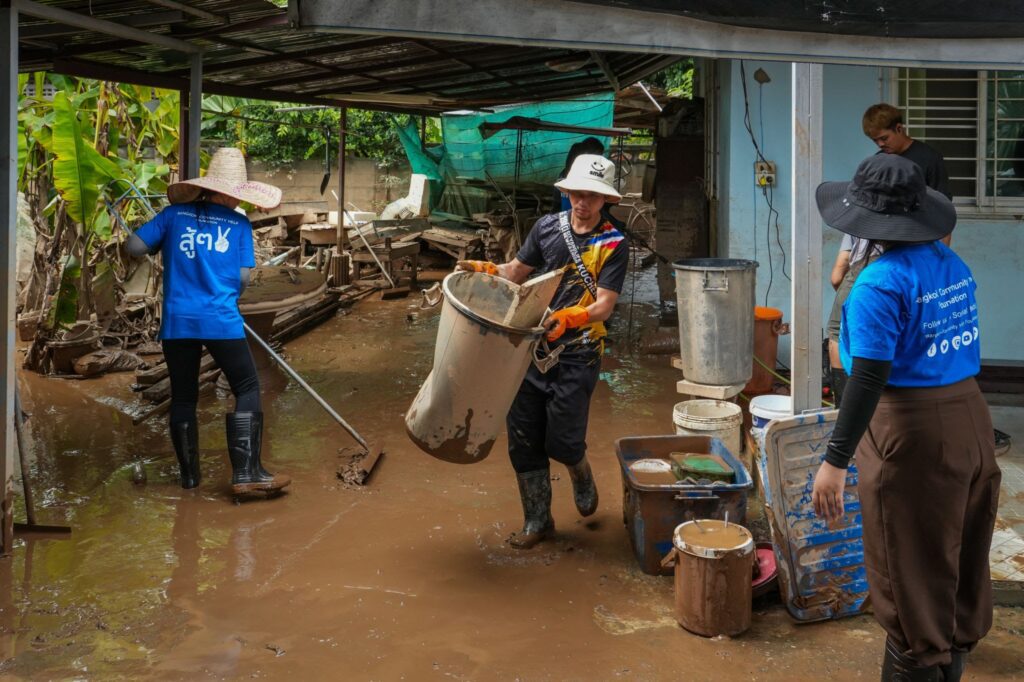
Humanitarian action is not simply about providing immediate assistance. It is also about ensuring that the most vulnerable people are seen and heard. Children, displaced families, older people, people with disabilities, and other vulnerable groups can face greater risks during crises. A crisis should never determine whose life matters more.
World Humanitarian Day is not only about remembering humanitarian workers. It is also an invitation to each of us to become part of a culture of compassion. We can contribute by volunteering in community initiatives, supporting trustworthy relief efforts, raising awareness about humanitarian crises, and advocating for the protection of civilians and aid workers. Even small actions can create meaningful change when they are guided by empathy and responsibility. In a world where false information can spread within seconds, sharing verified information is itself a form of responsibility. We may not be able to solve every crisis, but we can choose not to look away.
World Humanitarian Day leaves us with a powerful message: humanitarianism is not reserved for heroes in uniforms. It belongs to all of us. A small act of kindness can become meaningful assistance. A volunteer’s few hours can make a difference. A voice raised for peace can inspire another. And a community that prepares together can become stronger when disaster strikes.
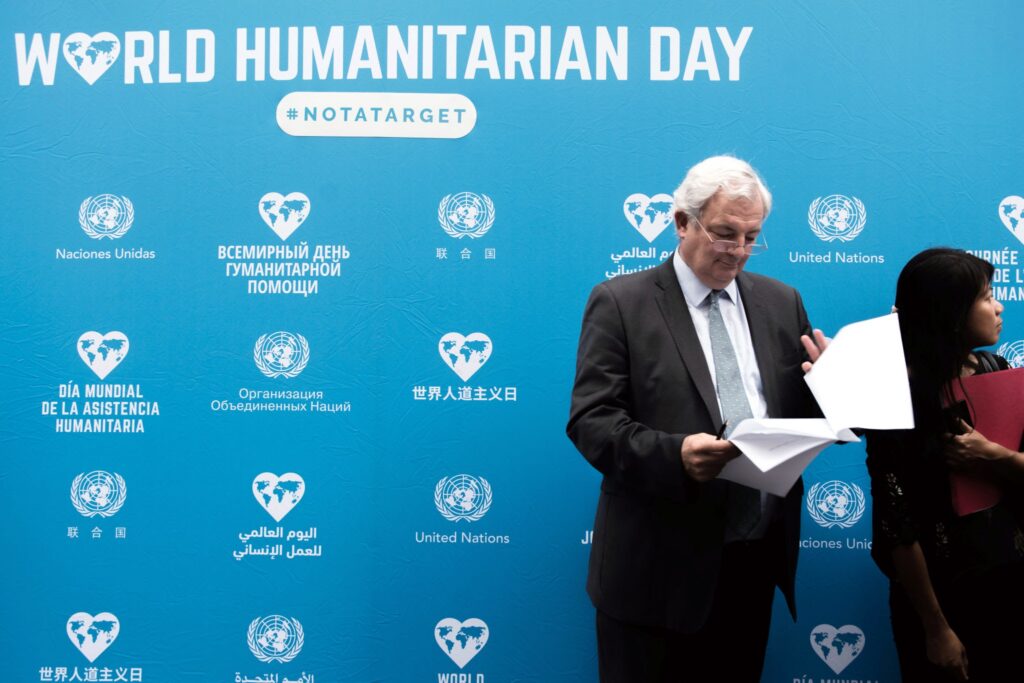
On 19 August, we remember those who have lost their lives while helping others. We honor those who continue to work on the frontlines. And we recognize the millions of people whose quiet acts of compassion make our world a little more humane. Because when everything else is stripped away, one thing remains universal.
We are human. We need one another. And standing together for humanity may be the greatest form of courage.
Graphic Designed by: Rtr. Nethmi Tharushika


0 Comments