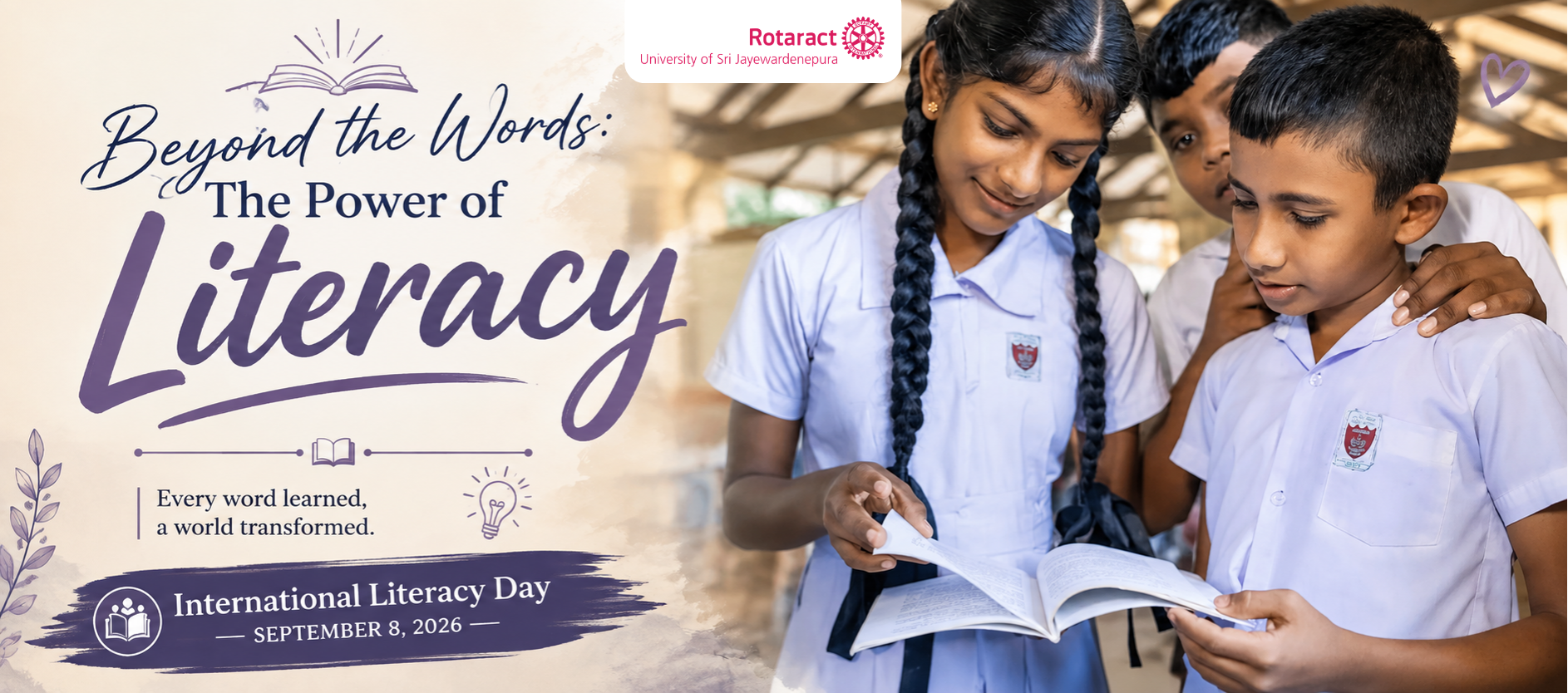
International Literacy Day – 08 September 2026
Written by: Rtr. Kalashi Fernando
Imagine a child sitting in a classroom, holding a book for the very first time. The page in front of him is filled with unfamiliar letters. To many of us, those letters are ordinary. We read them without a second thought, a sentence, a paragraph or a page. But to that child, learning to understand those words is the beginning of something extraordinary. With every word they learn, a door opens. A story they could not have known about might become familiar, a question they could not answer can now be explored, and a world they could only dream of would become real. Years later, that same ability follows them far beyond the classroom. It helps them understand a message, apply for a job, complete a form, manage their finances, learn a new skill and make decisions. We rarely stop to think of these moments as acts of literacy. Yet imagine receiving a job opportunity, financial document, medical instruction or important announcement and being unable to understand it. Literacy is often something we notice only when it is absent.

It was this understanding of literacy as a pathway to dignity, opportunity and participation that led UNESCO to proclaim 8 September as International Literacy Day in 1966, with the first celebrations held in 1967. Sixty years later, International Literacy Day 2026 marks a significant milestone: its 60th anniversary. Yet this is not simply a celebration of how far the world has come. It is also a reminder of how much further there is to go. Despite decades of progress, at least 739 million young people and adults still lack basic literacy skills, while four in ten children are not reaching minimum proficiency in reading. These figures represent far more than statistics; they represent people whose access to education, employment, information and opportunity can be limited by something many of us take for granted.
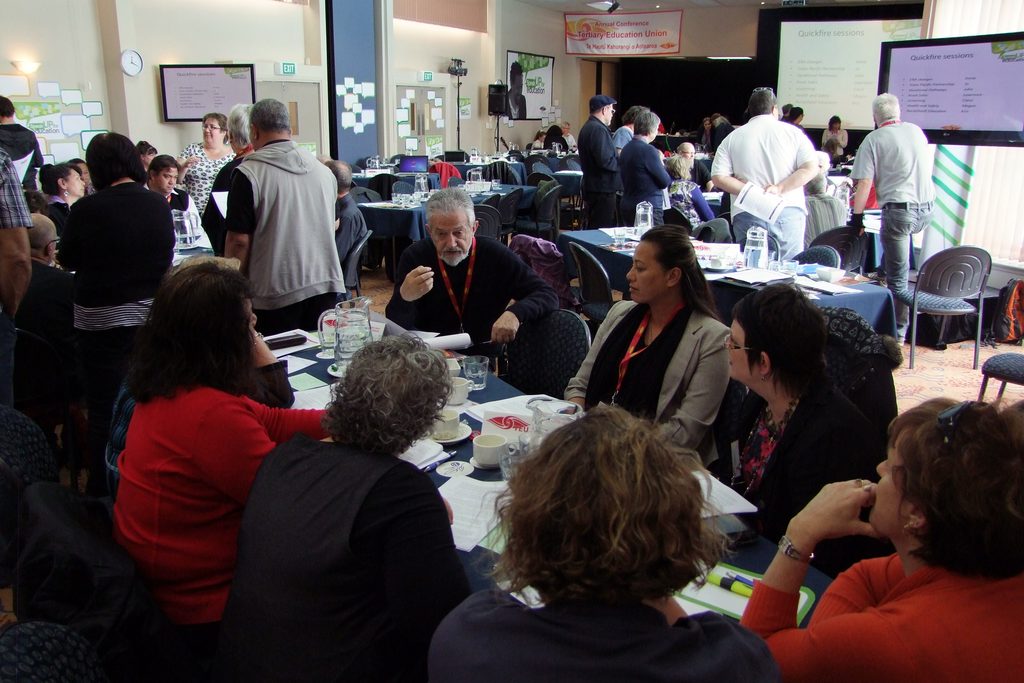
But perhaps there is another question we need to ask: What does it actually mean to be literate today? In a world where information reaches us through screens, algorithms and artificial intelligence, reading words is only the beginning. We read a news article, but can we recognise misinformation? We receive financial information, but can we understand its implications? We use artificial intelligence, but can we question its accuracy? We encounter unfamiliar technology, but can we learn how to use it responsibly? Literacy has expanded into digital, financial, media, data and AI literacy. It is no longer simply about absorbing information; it is about interpreting it, questioning it and using it wisely. UNESCO itself highlights the need to rethink literacy in an increasingly digitalised world, where reading and writing alone are no longer sufficient.

This broader understanding of literacy is also closely connected to the way we grow as professionals and as individuals. The ability to communicate clearly, understand complex information, think critically and keep learning can influence how we perform in a workplace, contribute to a team or lead others. Innovation begins with the ability to understand what already exists and the curiosity to ask, “What could be different?” Leadership requires more than speaking confidently; it requires listening, understanding perspectives and making informed decisions. Meanwhile, career development does not end with obtaining a qualification. As industries, technologies and expectations continue to change, the ability to learn, unlearn and adapt becomes increasingly valuable. Qualifications may open doors, but the ability to keep learning determines how far we can walk through them.
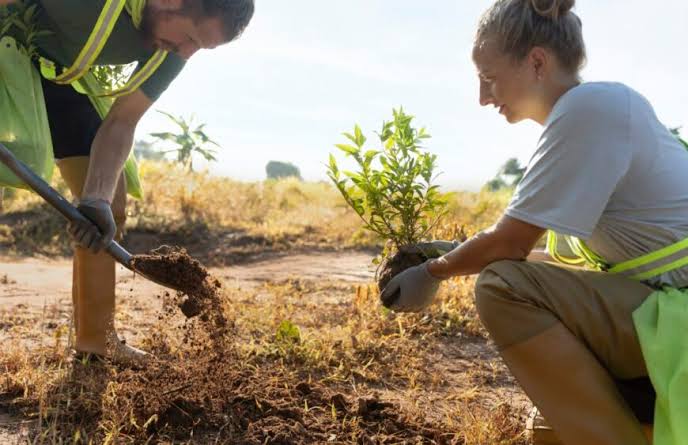
This year’s theme, “Literacy for people, the planet and prosperity,” captures this wider purpose. Literacy empowers people by strengthening inclusion and opportunity. It can help individuals understand environmental challenges and make informed choices for the planet. It contributes to prosperity by supporting livelihoods, employment, entrepreneurship and economic participation. Celebrating literacy, therefore, should not be limited to appreciating the ability to read a book. It should encourage us to become more thoughtful readers of the world around us, to read beyond what is required, question what we encounter, develop new skills, share what we know and remain curious even when there is no examination waiting at the end.
Perhaps the child at the beginning of our story was never simply learning to read a book, but instead learning to access possibilities. And perhaps that is the true power of literacy: it does not end when we learn to read. It grows every time we learn, question, communicate, adapt and understand. Because literacy is not simply the ability to read the world. It is the ability to understand it, shape it and ultimately help to write what comes next.
Graphic Designed by: Rtr. Nethmi Tharushika


0 Comments