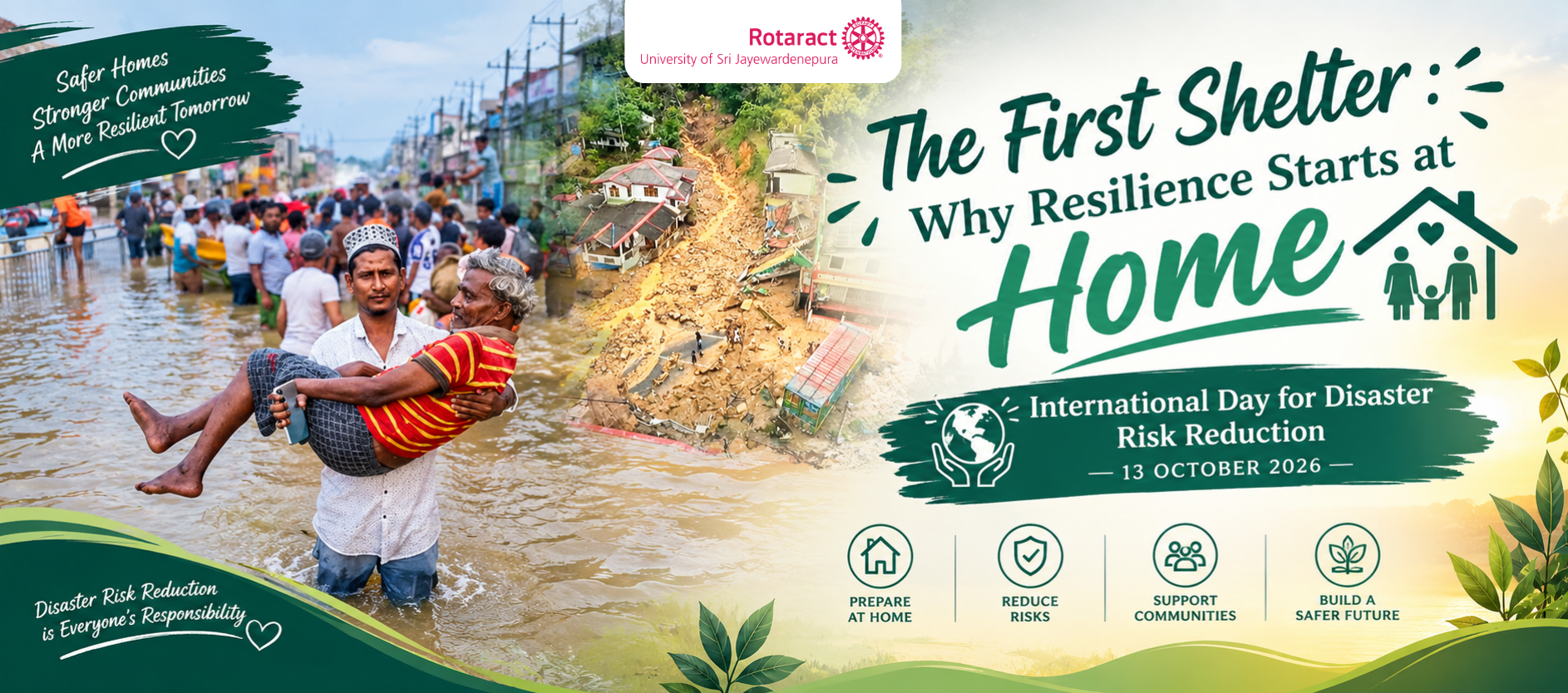
International Day for Disaster Risk Reduction – 13 October 2026
Written by : Rtr. Janeesha Divyanjalee
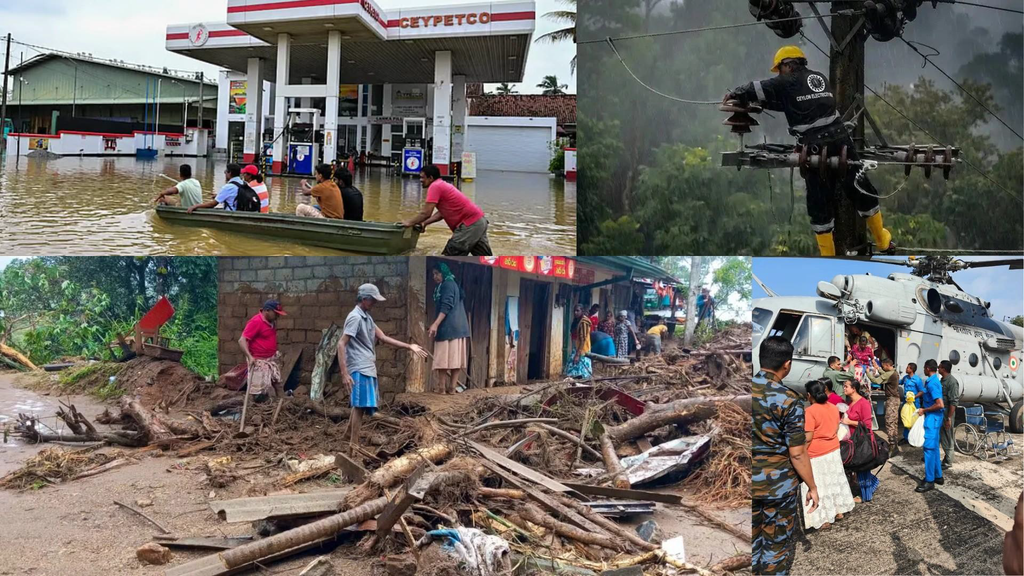
Think about the room you are sitting in right now. Four walls, a roof, a door you lock at night. It feels ordinary. But on the worst day of a family’s life, that ordinary room may be the only thing standing between them and the storm.
We usually imagine disasters as something that just happens to us. A flood. An earthquake. A cyclone. But here is the twist: the hazard is natural. The disaster is not. Whether a flood washes away a few fields or an entire family’s life depends on where homes are built, how strong they are, and whether anyone received the warning in time.
The United Nations recognised this too. Since 1989, the world has marked a special day to talk about preventing disasters before they strike: October 13. This year, the theme brings the whole idea home. Literally. “Resilience Starts at Home.”
Why home? Because, for most people, it is the biggest thing they own and the only shelter they have. Yet many families live on floodplains and steep slopes, in houses that were never built to withstand the dangers around them. Not because they chose the risk, but because safe homes cost too much. No family should have to choose between a home they can afford and a home that is safe.
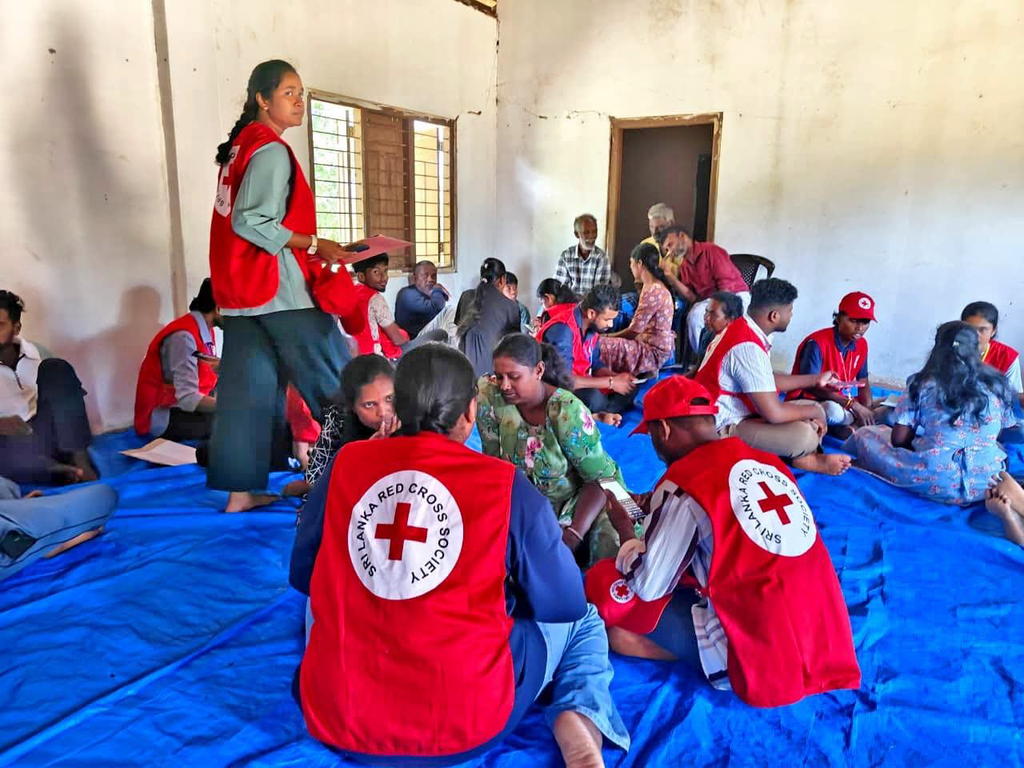
The good news is that the world’s efforts are working. Between 2005–2014 and 2016–2025, the average number of disaster deaths per 100,000 people fell by 65%. Today, 128 countries have multi hazard early warning systems, up from about 55 in 2015. (Source: UNDRR, Sendai Framework Monitor). Countries with stronger systems have disaster death rates almost six times lower. (Source: WMO and UNDRR, 2025). One timely warning can save an entire village.
Now, the hard truth. Only about 4% of humanitarian aid goes towards reducing disaster risk, even though every dollar spent on prevention is estimated to save five to ten dollars later. (Source: UN figures cited for IDDRR 2026). We still prefer to rebuild after the damage rather than protect people before it happens. And a warning that never reaches a family, or that nobody understands, is a warning that has failed.
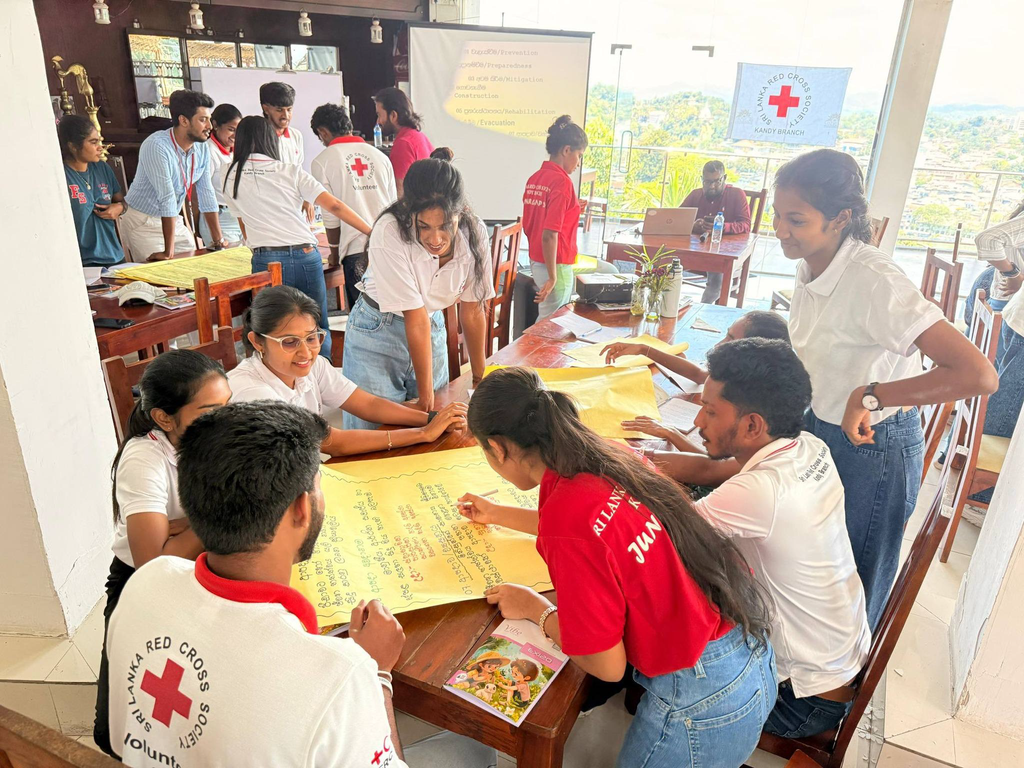
So, what can we do? Quite a lot, even from our own living rooms. We can find out which hazards threaten our area and make a family emergency plan that includes a meeting point, an escape route, and important phone numbers written on paper. We can pack a simple emergency kit with water, food, medicines, and copies of important documents. We can check on elderly neighbours and families with young children, who are often hit the hardest. We can protect mangroves, wetlands, and drains that help reduce flooding. And as Rotaractors, we can take this message to schools and neighbourhoods because awareness is one of the most accessible forms of protection.
Former UN Secretary General Kofi Annan once urged the world to move “from a culture of reaction to a culture of prevention.” (Source: UN Secretary General’s address to the Security Council, 29 November 1999). That is the heart of this day.
Disasters will keep coming. We cannot stop the rain or an earthquake. But we can decide what they find when they arrive: a family that is ready, a home that holds, and a neighbourhood where people look out for one another. Resilience does not begin in a conference hall. It begins at our own front door.
At the end of the day, we cannot stop the storm. But we can make sure it finds a home that stands.
Graphic Designed by: Rtr. Nethmi Tharushika


0 Comments