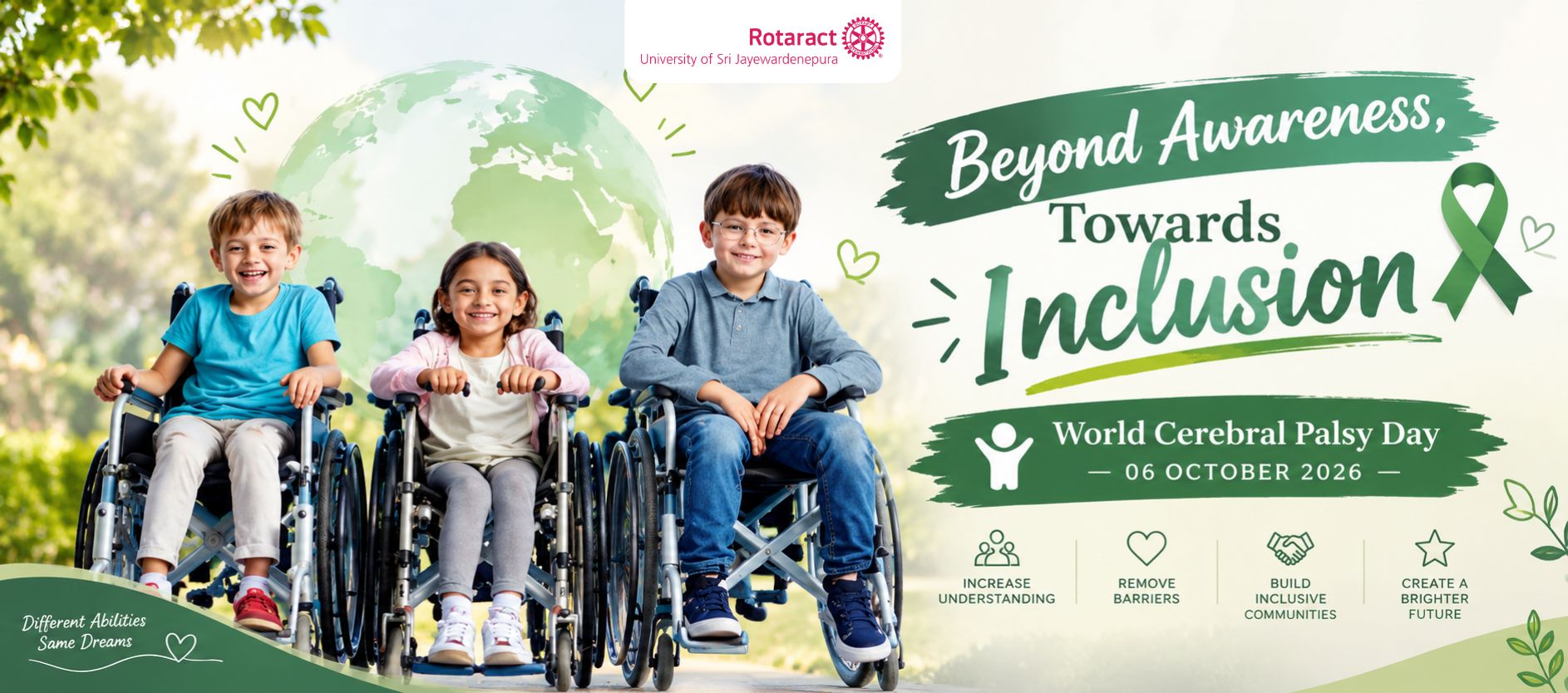
World Cerebral Palsy Day – 06 October 2026
Written by: Rtr. Keshini De Silva
Every person deserves the opportunity to learn, grow, dream, and participate in society without being limited by the way others perceive them. Yet, for many individuals living with cerebral palsy, the barriers they face extend beyond their physical challenges. Misconceptions, social stigma, and a lack of accessibility can make everyday life more difficult than it needs to be.
World Cerebral Palsy Day, observed on 6 October, reminds us of the importance of understanding cerebral palsy, challenging misconceptions, and creating a world where everyone has the opportunity to participate equally.
But how much do we really know about cerebral palsy, and how can we make a difference?
Understanding Cerebral Palsy
Cerebral palsy (CP) is a group of permanent disorders that affect movement, muscle tone, and posture. It results from damage to, or abnormal development of, the developing brain, usually before birth or during early childhood.
Cerebral palsy affects each individual differently. Some people may experience difficulties with walking, balance, or coordination, while others may require assistance with everyday activities. Some individuals may also experience difficulties with communication, learning, or other aspects of health.
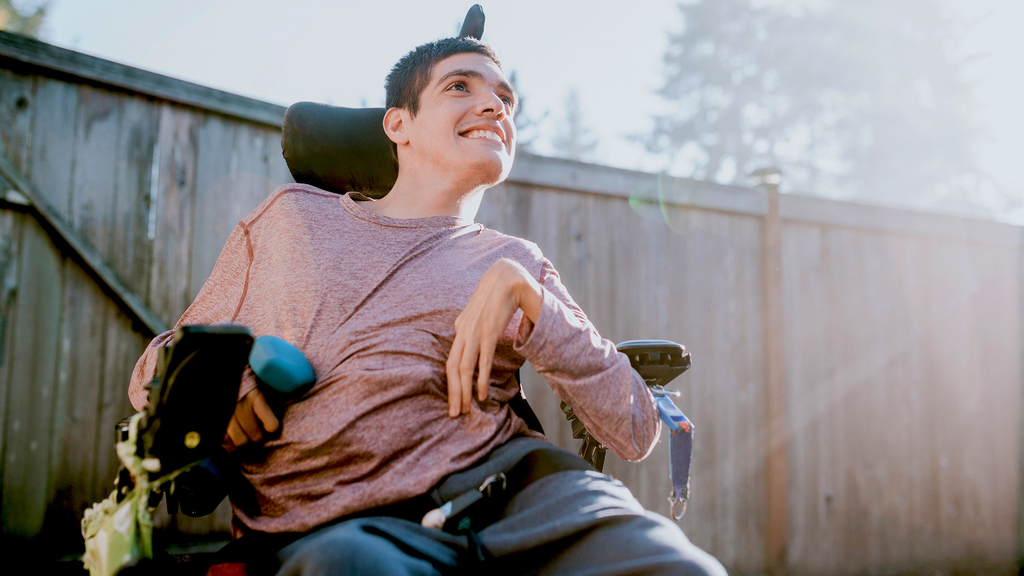
However, cerebral palsy does not define a person’s intelligence, personality, abilities, or potential. Many individuals with CP attend school, pursue higher education, develop careers, and participate actively in their communities.
Understanding these differences is essential because awareness begins with recognising the individual beyond the diagnosis.
Beyond the Misconceptions
One of the biggest challenges faced by people with cerebral palsy is the way society perceives them.
A person who speaks differently may be misunderstood. A child who requires additional support at school may be underestimated. Someone who moves differently may receive unwanted attention instead of acceptance.
These experiences highlight an important truth: sometimes, the greatest barriers are not created by a person’s condition but by the attitudes and assumptions of others.
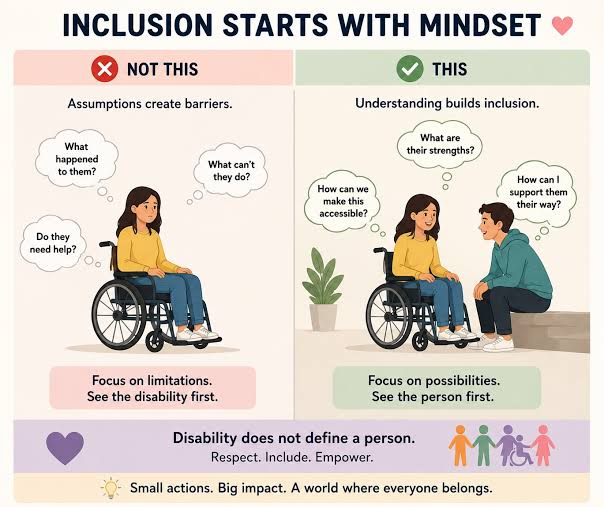
Cerebral palsy is not contagious, and it does not affect everyone’s intellectual abilities in the same way. Difficulties with speech or movement do not necessarily indicate difficulties with understanding or intelligence.
When we make assumptions about what someone can or cannot do, we risk overlooking their abilities, interests, and aspirations.
Instead of defining individuals by their limitations, we must create opportunities for them to demonstrate their abilities and make their own choices.
The Importance of Inclusion
Inclusion means more than simply allowing people with disabilities to be present in schools, workplaces, or public spaces. It means ensuring that they can participate meaningfully and with dignity.
For children with cerebral palsy, inclusive education can provide opportunities to learn alongside their peers, develop friendships, and build confidence. However, meaningful inclusion may require accessible facilities, appropriate learning resources, supportive teachers, and individualised assistance.
Beyond schools, accessible public transport, healthcare services, workplaces, and recreational spaces are equally important.
Inclusion also begins with our everyday behaviour. Speaking respectfully, being patient with different communication styles, avoiding unnecessary assumptions, and respecting individual choices can help create a more welcoming environment.
Most importantly, inclusion should not be viewed as an act of charity. People with cerebral palsy have the same right to dignity, respect, and participation as everyone else.
A truly inclusive society does not expect everyone to function in the same way. Instead, it recognises individual differences and works towards removing the barriers that prevent people from participating fully.
Supporting Families and Caregivers
Behind many individuals with cerebral palsy are families who work continuously to support their development, education, healthcare, and everyday needs.
Parents and caregivers may face challenges related to accessing specialised services, managing financial responsibilities, finding suitable educational opportunities, and navigating a society that does not always understand their experiences.
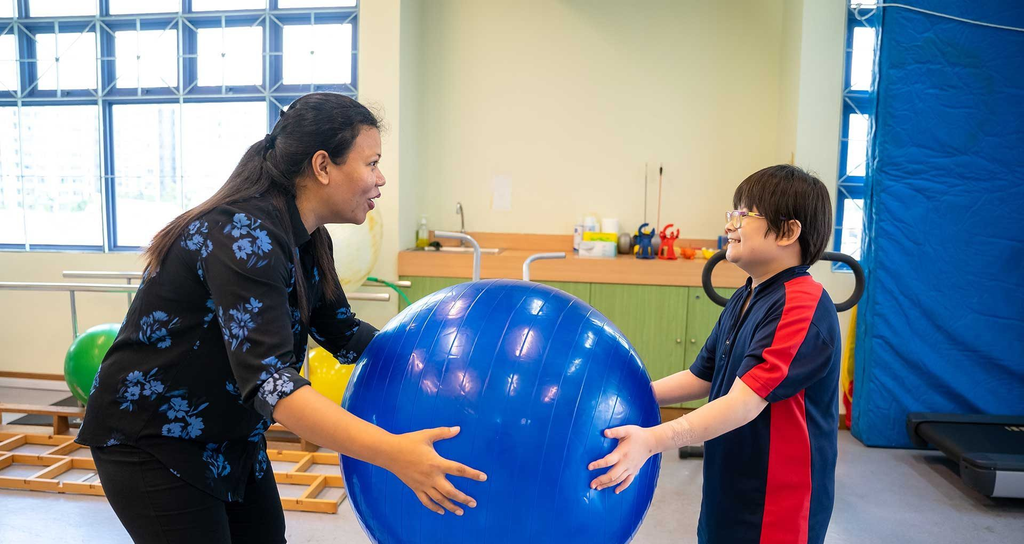
While every family’s journey is different, access to information, professional support, and understanding communities can make a meaningful difference.
Rather than making assumptions about their experiences, we should listen to families, respect their perspectives, and recognise the importance of supporting both individuals with CP and those who care for them.
Support should not end with awareness campaigns. It should be reflected in the services, opportunities, and understanding available to families throughout the year.
What Can We Do?
Creating a more inclusive world does not always require extraordinary actions. It begins with the choices we make every day.
We can educate ourselves about cerebral palsy and challenge the misconceptions we encounter. We can treat individuals with disabilities with respect rather than pity. We can encourage inclusive educational environments and advocate for accessible public spaces.
We can also listen to the voices of people with cerebral palsy, recognise their experiences, and include their perspectives in conversations and decisions that affect their lives.
Most importantly, we must understand that people with disabilities should not have to struggle to prove that they deserve equal opportunities.
Awareness helps us recognise an issue. Understanding helps us see it from another person’s perspective. Action helps us change the conditions that create barriers.
Beyond One Day
World Cerebral Palsy Day is an opportunity to bring attention to the experiences and rights of people living with cerebral palsy. However, the responsibility to build an inclusive society extends far beyond a single day of awareness.
Every misconception challenged, every barrier removed, and every opportunity created can contribute to meaningful change.
This World Cerebral Palsy Day, let us look beyond physical differences and recognise the people behind them. Let us replace assumptions with understanding, exclusion with inclusion, and indifference with action.
Because a person’s potential should never be determined by society’s expectations, and no one should have to fight to be seen, heard, and respected.
Awareness begins with knowing. Inclusion begins with understanding. Change begins with us.
Graphic Designed by: Rtr. Nethmi Tharushika


0 Comments