
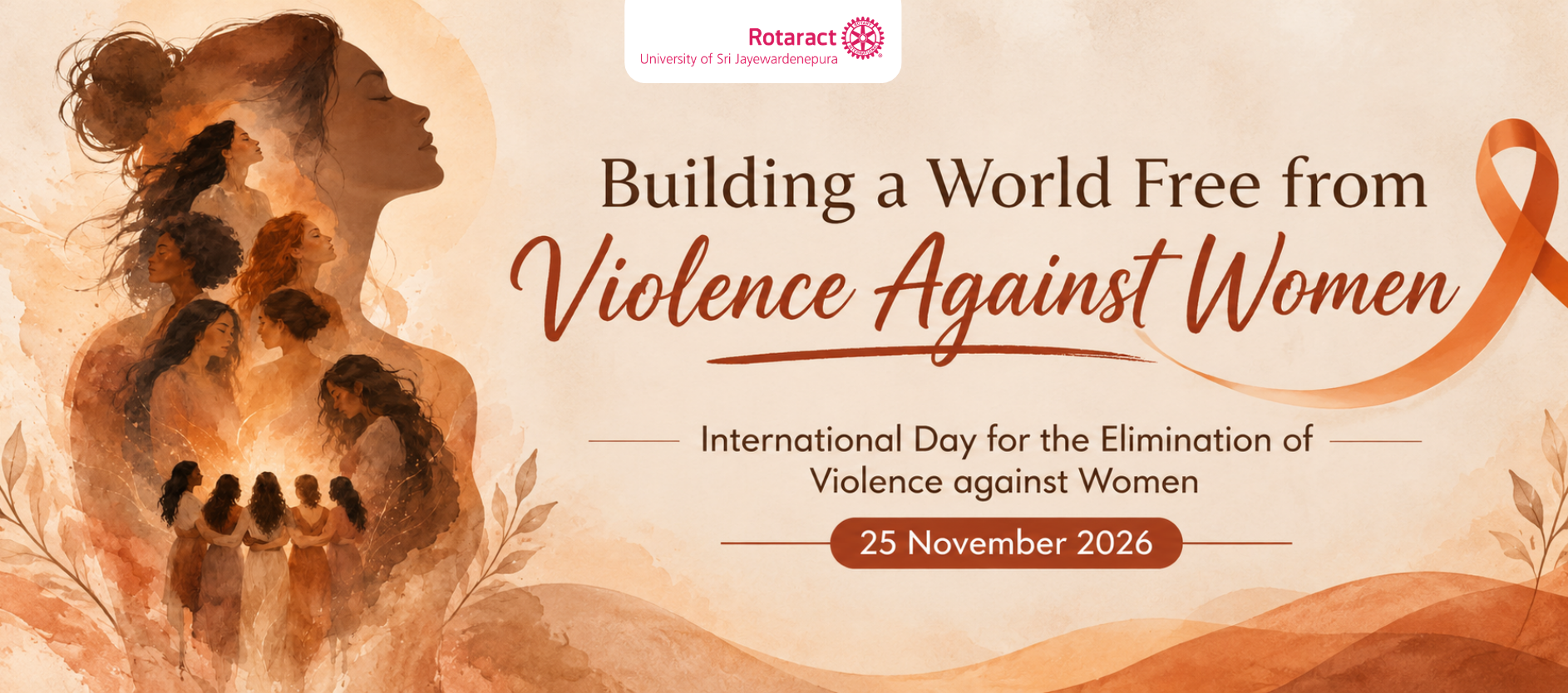
International Day for the Elimination of Violence against Women – 25 November 2026
Written by: Rtr. Oshadhi Vinodya
Violence against women is not a private matter or someone else’s story. For millions of women and girls around the world, it affects their safety, freedom, education, employment, relationships, and overall well-being.On this International Day for the Elimination of Violence against Women, we must ask an important question:
How can we move beyond awareness and create lasting change?
Understanding Violence Against Women
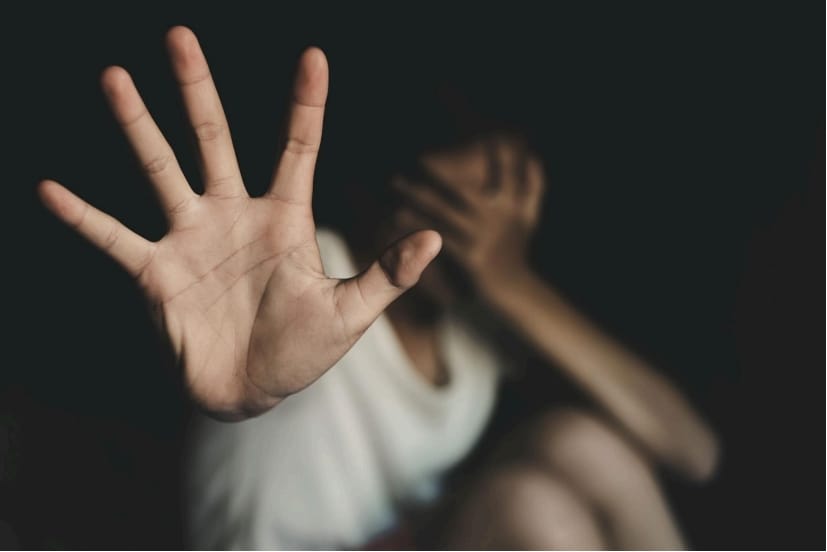
The United Nations defines violence against women as any act of gender-based violence that results in, or is likely to result in, physical, sexual, or psychological harm or suffering. It includes threats, coercion, and the arbitrary deprivation of liberty, whether occurring in public or private life.
Violence is not limited to physical assault. It can take many forms, including sexual violence, emotional abuse, stalking, harassment, controlling behaviour, economic abuse, human trafficking, forced marriage, and online abuse. A partner who controls someone’s money, monitors her phone, isolates her from family and friends, or constantly threatens her is exercising control, not showing love.
Violence can occur at home, in schools, workplaces, public spaces, institutions, and digital environments. It affects women of all ages and backgrounds, although those experiencing multiple forms of discrimination may face greater risks and additional barriers when seeking support.
A Global Crisis
According to the World Health Organization (WHO), nearly one in three women worldwide, approximately 840 million women and girls, have experienced physical and/or sexual intimate partner violence or non-partner sexual violence during their lifetimes.
Violence often begins early in life. More than one in five ever-partnered adolescent girls aged 15 to 19 have experienced physical or sexual violence from an intimate partner. In 2024, an estimated 50,000 women and girls were killed by intimate partners or other family members worldwide, representing an average of 137 women and girls every day.
The actual scale of violence is likely to be even greater because many survivors do not report their experiences. Fear, shame, financial dependence, social pressure, stigma, and a lack of trust in institutions can prevent women from seeking help.
The absence of a report does not mean the absence of violence.
Ending Silence and Victim-Blaming
Victim-blaming questions such as “Why did she stay?” or “Why did she not report it?” shift attention away from the person responsible for the abuse. A woman’s clothing, occupation, relationship status, or decision to remain in or leave a relationship never causes violence. The responsibility lies entirely with the perpetrator.
When someone discloses abuse, the first response should be compassionate and respectful. Listen without judgement, believe the survivor, protect her privacy, and help her explore safe options. Do not share her story or confront the perpetrator without carefully considering her safety.
Every survivor deserves dignity, choice, understanding, and support.
Prevention Begins With Equality
Responding to violence after it occurs is essential, but prevention must begin much earlier. Violence is more likely to persist in environments where inequality is normalised, controlling behaviour is mistaken for care, and harmful jokes or harassment are dismissed as harmless.
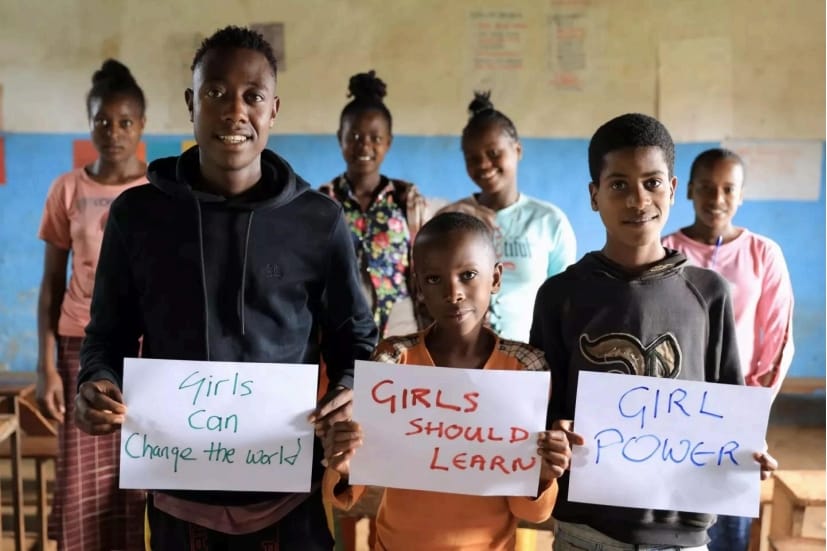
Children and young people should be educated about consent, personal boundaries, gender equality, respectful relationships, and emotional responsibility. Schools and universities need safe reporting systems, accessible support services, and trained staff. Families can also challenge gender stereotypes and encourage relationships built on mutual respect rather than control.
Men and boys have an essential role to play as well. Ending violence against women is not solely women’s responsibility. Men must challenge misogynistic language, refuse to excuse abusive behaviour, respect consent, and speak up when others normalise violence.
Digital spaces also require greater accountability. Threats, cyberstalking, the non-consensual sharing of intimate images, impersonation, and online harassment can cause serious harm. Everyone can contribute by reporting abusive content, refusing to forward harmful material, protecting personal information, and supporting those who are targeted.
From One Day to Lasting Action
The International Day for the Elimination of Violence against Women is observed on 25 November in memory of the Mirabal sisters, three political activists from the Dominican Republic who were assassinated in 1960 for resisting the country’s dictatorship. The United Nations officially designated 25 November as this international observance in 2000.
The day also marks the beginning of the annual 16 Days of Activism against Gender-Based Violence campaign, which concludes on Human Rights Day, 10 December.
This day should represent more than an annual awareness campaign. Real and lasting change requires accessible survivor-support services, stronger laws, accountable institutions, quality education, safer workplaces and schools, reliable reporting systems, and sustained support for women’s rights organisations.
We can also contribute through our everyday actions: challenging victim-blaming, speaking out against harmful jokes, supporting friends who experience abuse, learning about local support services, sharing accurate information, and refusing to remain silent when violence is normalised.
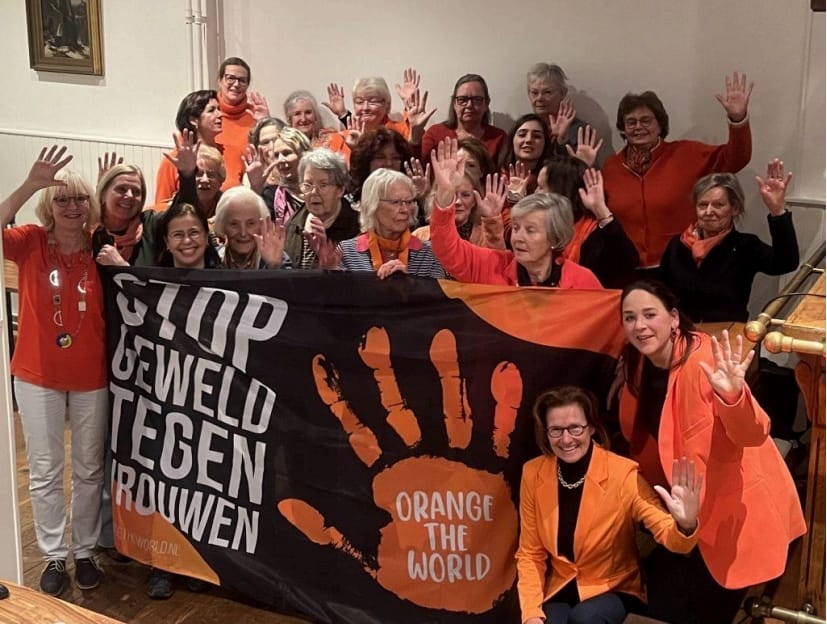
A world free from violence against women will not be created through one speech or one day of wearing orange. It will be built through consistent choices in homes, classrooms, workplaces, online communities, and public institutions.
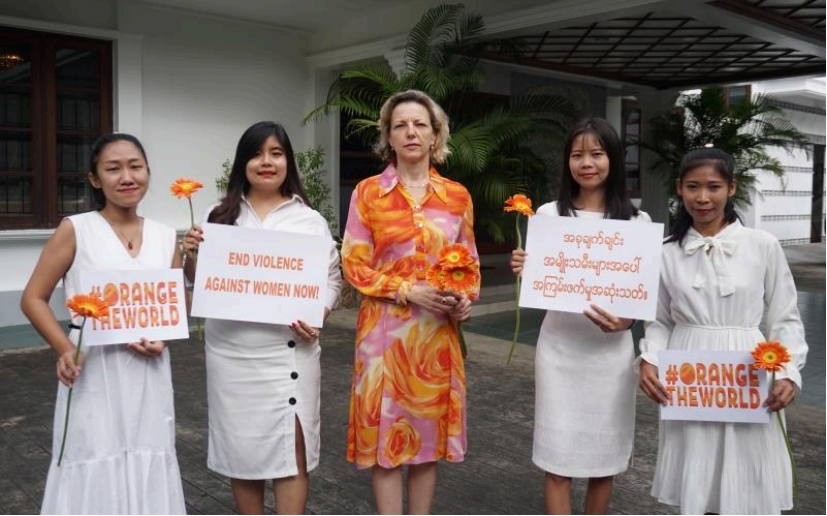
So, this International Day, let us ask not only, “How can we respond when violence happens?”
Let us also ask, “What can we change to make violence less likely to happen in the first place?”
Ending violence against women requires courage before harm occurs, accountability when it does, and solidarity that continues long after the campaign ends.
Graphic Designed by: Rtr. Nethmi Tharushika


0 Comments