
Il Full Moon Poya Day – 24 November 2026
Written by: Rtr. Vihanga Sandeepani
Every full moon Poya day holds a special place in Buddhist history, reminding us of the valuable teachings of the Buddha and the importance of living a meaningful life. Il Full Moon Poya Day, which falls on 24 November 2026, commemorates several important events in the history of the Buddha Sasana. It reminds us of the importance of spreading the Dhamma, practising kindness, developing wisdom, and following the path towards spiritual enlightenment. This sacred day encourages us to reflect on the Buddha’s teachings and bring more compassion, peace, and understanding into our daily lives.
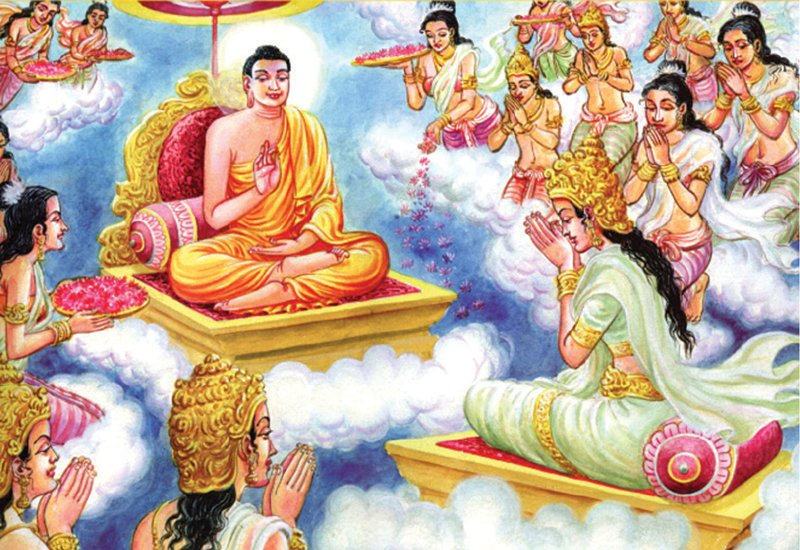
Maitreya Bodhisattva Receiving the Prediction of Buddhahood
Il Poya Day is also important because it marks the occasion when Maitreya Bodhisattva received the prediction of future Buddhahood from Gautama Buddha. This means that Maitreya Bodhisattva is expected to become the next Buddha in the future. He will teach the Dhamma and guide people towards the path of Nibbana. This event reminds Buddhists of the importance of faith, patience, and spiritual development.
The Beginning of Buddhist Missionary Service
After spending the first rainy retreat at Isipatana in Benares, the Buddha sent the first group of sixty Arahants to spread the Dhamma.
He advised them:
“Monks, travel for the benefit and happiness of many people, out of compassion for the world, and for the benefit, welfare and happiness of gods and humans. Do not travel two monks along the same path. Teach the Dhamma that is good at the beginning, good in the middle and good at the end.”
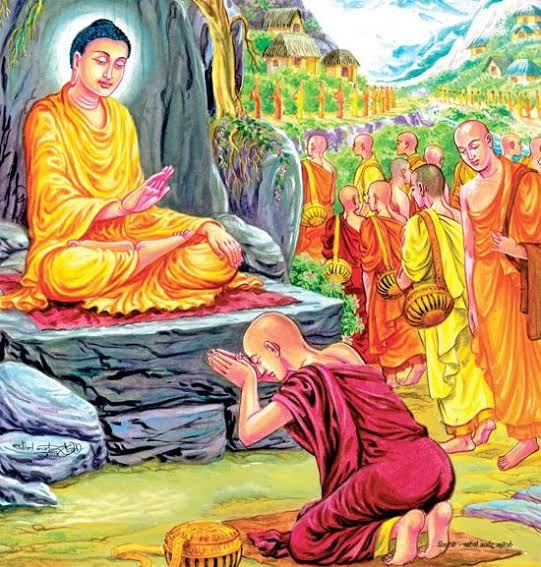
Through this instruction, the Buddha encouraged his disciples to share the Dhamma with people everywhere and help them understand the path to liberation. The missionary journey of the sixty Arahants is traditionally remembered as one of the significant events associated with Il Full Moon Poya Day.
The Conversion of the Three Kassapa Brothers
The conversion of the three Kassapa brothers, Uruvela Kassapa, Nadi Kassapa, and Gaya Kassapa, is another important event associated with Il Poya Day.
The three brothers were well-known ascetic leaders who had many followers. After listening to the Buddha’s teachings and witnessing his spiritual power, they decided to give up their former ascetic practices and become followers of the Buddha.
They placed their former ascetic belongings, including their hair and ritual items, into the Neranjara River. When Nadi Kassapa saw these belongings floating down the river, he became worried that something had happened to his elder brother. He went to investigate and discovered that his elder brother had become a follower of the Buddha. He too decided to enter the Buddhist Order with his 300 followers.
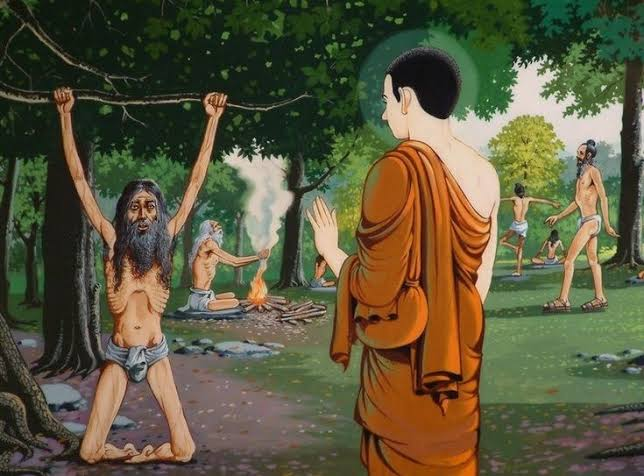
Similarly, Gaya Kassapa joined the Buddha with his 200 followers. Later, the Buddha visited Gayasisa with these one thousand monks and preached the Adittapariyaya Sutta, also known as the Fire Sermon. After listening to this sermon, all one thousand monks attained Arahantship.
This event highlights the power of the Dhamma to transform lives and guide people towards spiritual liberation.
Pavarana – The End of the Rainy Retreat
Pavarana is an important Buddhist ceremony performed at the end of the rainy retreat (Vas period). It is divided into two types: Early Pavarana and Late Pavarana.
Early Pavarana (Pera-Vas Pavarana) is performed by monks who begin their rainy retreat after the Esala Full Moon Poya Day. They complete their retreat and perform the Pavarana ceremony on Vap Full Moon Poya Day.
Late Pavarana (Pasu-Vas Pavarana) is performed by monks who begin their rainy retreat after the Nikini Full Moon Poya Day. They complete their retreat and perform the Pavarana ceremony on Il Full Moon Poya Day.
Il Full Moon Poya Day also marks the end of the robe-offering season (Cheevara Masaya). During this period, Buddhist devotees engage in various religious activities and offer Katina robes to monks who have completed their rainy retreat.
Therefore, the month of Il is considered a special period for performing meritorious deeds, practising generosity, and supporting the Buddhist Sasana.
The Parinibbana of Arahant Sariputta
Arahant Sariputta, one of the chief disciples of the Buddha, attained Parinibbana on an Il Full Moon Poya Day according to the traditional Sri Lankan Buddhist account.
Before his passing away, he realised that he had only seven days left to live. He decided to visit his mother, Rupasari, to help her understand the Dhamma because she had not yet developed faith in the Triple Gem.
He travelled to his birthplace, Nalaka village, and preached the Dhamma to his mother. After listening to his sermon, she attained the Sotapanna stage, the first stage of enlightenment.
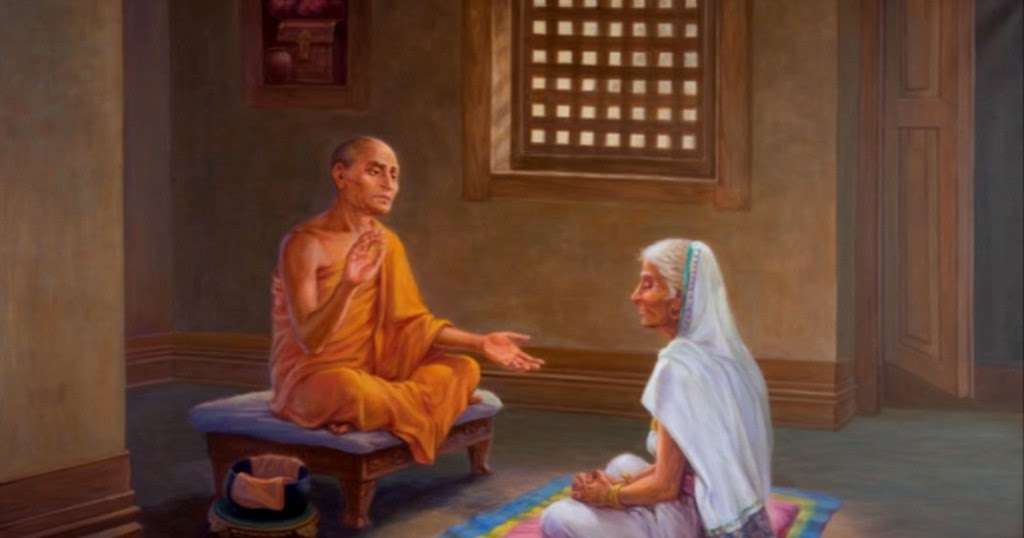
After fulfilling his wish to guide his mother towards the Dhamma, Arahant Sariputta peacefully attained Parinibbana. His life and passing away remind us of the importance of wisdom, compassion, gratitude, and sharing knowledge with others.
Il Full Moon Poya Day is a significant day in the Buddhist calendar, reminding us of the valuable teachings and important events in the lives of the Buddha and his disciples. It highlights the importance of spreading the Dhamma, developing spiritual wisdom, practising compassion, and performing meritorious deeds. May this sacred day inspire us to follow the teachings of the Buddha, develop good qualities, and live peaceful and meaningful lives while working towards the ultimate goal of Nibbana.
Graphic Designed by: Rtr. Nethmi Tharushika


0 Comments