Written By: Rtr. Sumudu Dissanayake
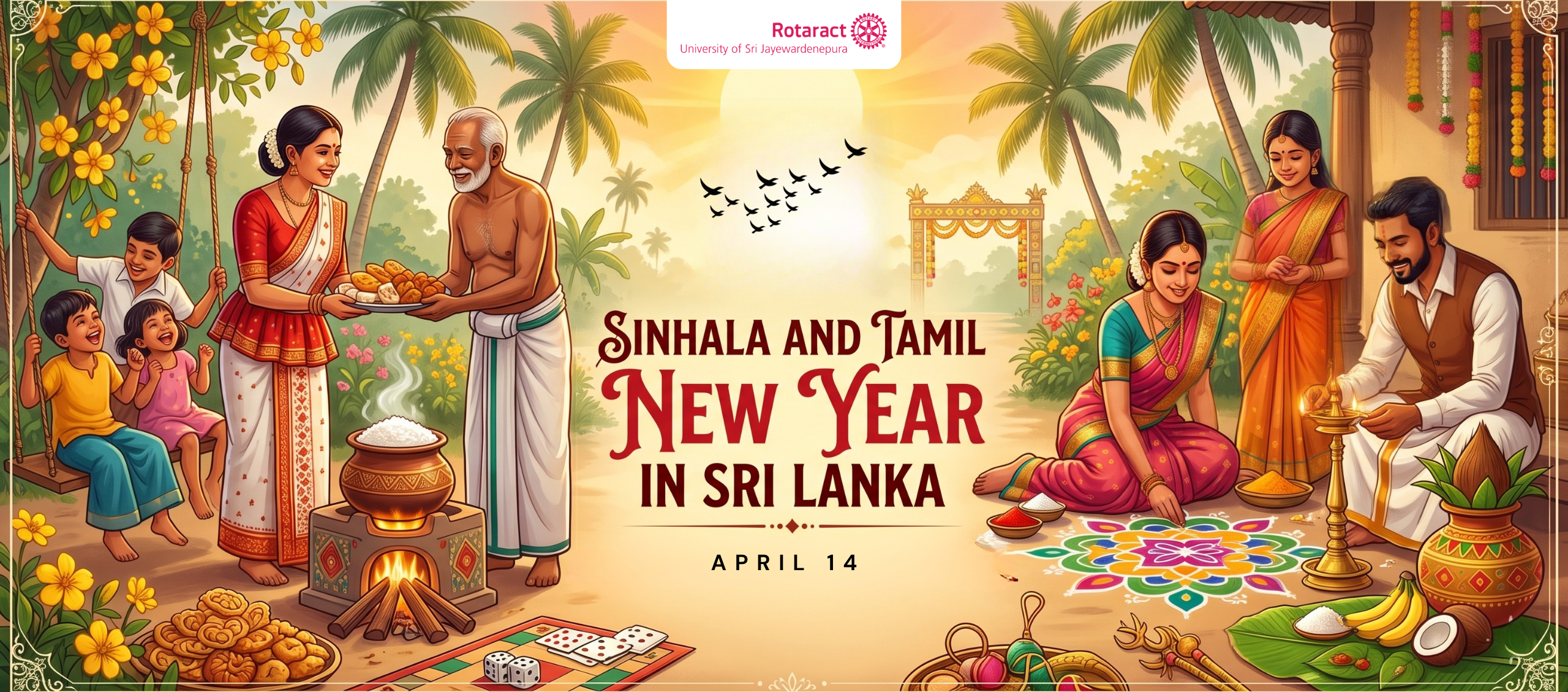
The Sinhala and Tamil New Year, celebrated annually on April 14, is one of the most important cultural festivals in Sri Lanka. Known as Aluth Avurudda in Sinhala and Puthandu in Tamil, this festival marks the beginning of the traditional new year for both Sinhala and Tamil communities. It is not only a public holiday but also a time of joy, unity, and cultural pride across the country.
Significance of the Festival
Unlike the global New Year celebrated on January 1st, the Sri Lankan New Year is based on astrological beliefs. It begins when the sun moves from the zodiac sign of Pisces (Meena Rashiya) to Aries (Mesha Rashiya), symbolizing the transition to a new solar year.
This festival also marks the end of the harvest season, making it a time to give thanks for prosperity and blessings. It reflects the strong connection between Sri Lankan culture and agriculture.
Unique Traditions and Rituals
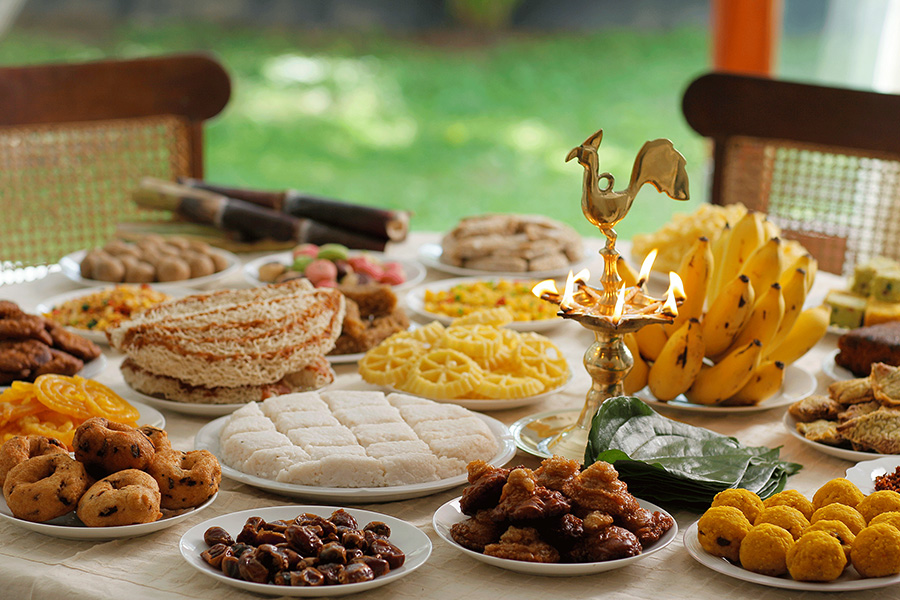
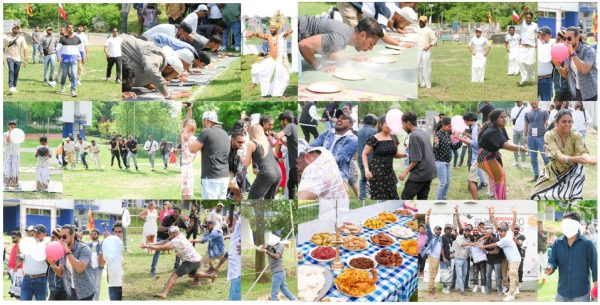
One of the most special features of the Sinhala and Tamil New Year is the observance of auspicious times (nekath). People perform important activities such as cooking, eating, and starting work at specific times determined by astrologers. Before the New Year begins, there is a period called Nonagathe (neutral time), during which people stop all work and engage in religious activities and spiritual reflection. Homes are cleaned and decorated, and families prepare for the celebrations together. On New Year’s Day, families light the hearth and cook traditional foods like milk rice (kiribath) and sweetmeats such as kavum and kokis. Sharing the first meal of the year with loved ones is considered very important. Also, the New Year is a time for family gatherings and community bonding. People visit relatives, exchange gifts, and seek blessings from elders. Traditional games such as elle, pillow fighting, and tug-of-war are played, bringing excitement and laughter to people.
A Festival of Unity
What makes the Sinhala and Tamil New Year truly special is its ability to bring people together. It is celebrated by both Sinhala Buddhists and Tamil Hindus, promoting harmony and mutual respect among different communities. This festival highlights Sri Lanka’s rich cultural heritage and strengthens the bonds between families, friends, and neighbors.
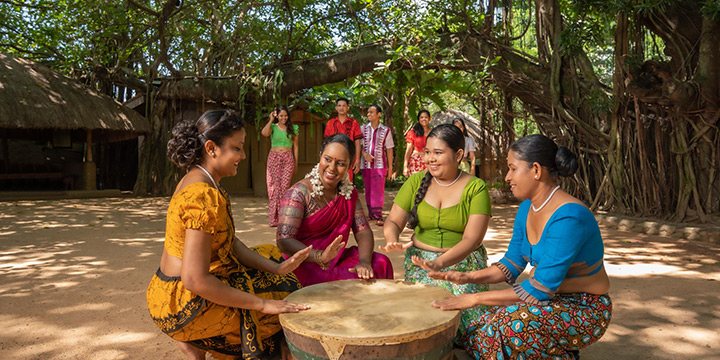
However, the Sinhala and Tamil New Year is more than just a celebration; it is a reflection of Sri Lanka’s traditions, values, and unity. Celebrated on April 14 each year, it brings joy, renewal, and hope for a prosperous future. Through its unique customs and meaningful rituals, the festival continues to play a vital role in preserving the cultural identity of the Sri Lankan people.


0 Comments